






Genetic Blueprint for Life
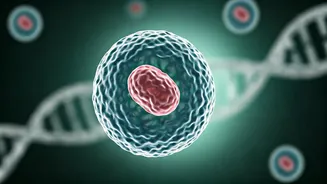
Understanding the human genome is akin to deciphering an immense instruction manual. Our genes, the fundamental units of heredity, carry the blueprints
that dictate everything from our physical characteristics to our susceptibility to diseases. Scientists have long acknowledged the influence of genes on lifespan, but recent research has underscored their greater importance than previously appreciated. This paradigm shift encourages a more profound exploration into the ways genetic factors impact how long an individual might live. Variations within our genetic makeup can influence cellular repair mechanisms, immune responses, and the overall pace of aging. Moreover, these insights are crucial for future personalized healthcare, possibly allowing scientists to tailor preventative measures and treatments.
Cellular Mechanisms and Aging
At the cellular level, genes control essential processes that determine the aging rate. Telomeres, protective caps at the ends of chromosomes, shorten with each cell division, marking the aging process. Specific genes are involved in the maintenance of telomeres and their length. Genes involved in DNA repair and the regulation of oxidative stress play an important role, as these processes impact cellular damage that can accelerate aging. The influence of genetics extends to mitochondrial function – the powerhouses of cells – and the efficiency of energy production. Dysfunctional mitochondria can lead to cellular dysfunction and premature aging. The exploration of these cellular mechanisms will shed light on the complex interaction of genes and aging.
Lifestyle vs. Genetics
While genes carry significant weight, they do not dictate destiny. The interaction of genes with environmental factors, collectively known as nature and nurture, ultimately determines an individual's longevity. Lifestyle choices, including diet, exercise, and exposure to environmental toxins, also play a key role. A healthy lifestyle can mitigate some negative genetic predispositions. For example, individuals with a genetic predisposition to heart disease can reduce their risk by maintaining a balanced diet and regular exercise. The study of the gene-environment interaction is critical for a comprehensive understanding of lifespan determination. It highlights the importance of personalized approaches to health that take both genetics and lifestyle into account.
Implications for Health
The growing understanding of the genetic role in lifespan offers significant implications for public health. This knowledge paves the way for advanced disease prevention strategies, and for the development of personalized treatments. Genetic screening can identify individuals at higher risk for age-related diseases. This allows for early interventions, such as preventative measures or the implementation of lifestyle changes. Research into genes involved in aging will provide potential therapeutic targets for the development of drugs to combat the aging process and age-related diseases. The goal is not just to extend life but also to enhance the quality of life, allowing individuals to enjoy longer, healthier lives.
Future Research Pathways
The field of genetics and aging is continuously evolving, with numerous avenues for future research. One area of focus is to identify new genes and genetic pathways that affect lifespan, using advanced technologies like genome-wide association studies. Another promising approach involves studying centenarians, people who live to 100 or more, to find the genetic factors that contribute to exceptional longevity. The data obtained from these studies may provide new insights into the interplay of genes, environment, and aging. Furthermore, researchers are exploring gene editing technologies such as CRISPR to potentially modify genes related to aging and disease. This research holds the promise of developing more effective preventative and therapeutic interventions, ultimately leading to longer, healthier lives for all individuals.