





Effortless Floor Cleaning
Transform your bathroom floors with the surprising efficacy of hydrogen peroxide, an economical and eco-friendly cleaning solution. This versatile agent
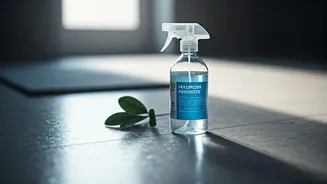
works by creating a gentle fizzing action that loosens and lifts dirt and grime from surfaces. Unlike many conventional cleaners, it’s odorless and safe for most surfaces when used correctly. Cleaning experts recommend a straightforward, multi-step process to achieve professional-level results. Begin by clearing the floor of any loose dust and debris through sweeping or vacuuming. Next, prepare your cleaning solution by mixing equal parts of standard 3% hydrogen peroxide with warm water in a spray bottle or bucket. Evenly coat the floor surface, paying attention to tiles and grout lines. Allow this mixture to penetrate for about five to ten minutes; this crucial waiting period lets the oxygen in the peroxide work its magic, breaking down stubborn build-up. After the soaking time, use a mop or a scrub brush to lift the loosened dirt. Focus on grout and corners where grime tends to accumulate. Finally, rinse the floor thoroughly with clean water and immediately dry it with a clean towel or cloth to prevent water spots and streaks, ensuring a polished finish.
Tackling Stubborn Stains
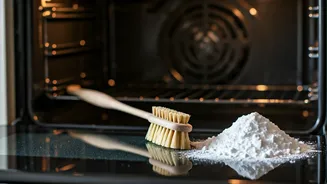
For those particularly persistent stains, especially within grout lines, a simple yet effective technique can be employed using hydrogen peroxide and baking soda. This combination creates a mild, yet powerful effervescent reaction that helps to dislodge deep-set dirt. Start by generously sprinkling baking soda directly onto the stained grout. Following this, pour or spray hydrogen peroxide over the baking soda-covered areas. You'll observe an immediate fizzing action, which is the key to lifting embedded grime. Allow this paste to work for a few minutes, letting the chemical reaction break down the stain. After it has had time to react, gently scrub the area with a stiff brush to further loosen the stain. The baking soda acts as a mild abrasive, while the hydrogen peroxide provides the oxidizing power to lift the discoloration. Once scrubbed, wipe the area clean with a damp cloth or sponge, or rinse with water, depending on your floor type, to reveal a noticeably cleaner grout line.
The Science of Clean
Hydrogen peroxide's remarkable cleaning capabilities stem from its chemical composition. When it comes into contact with organic matter or impurities, it breaks down, releasing oxygen. This oxygen is a potent oxidizing agent, which means it effectively lifts stains, neutralizes odors, and eliminates bacteria, mold, and mildew. This process leaves surfaces not only visibly clean but also sanitized and disinfected without the harsh fumes often associated with chemical cleaners. Experts describe hydrogen peroxide as one of the most versatile and environmentally benign cleaning agents available. Its strong oxidizing properties make it an excellent choice for stain removal and general disinfection. The characteristic bubbling observed when it’s applied to surfaces is direct evidence of its active cleaning process, where the released oxygen actively loosens and lifts contaminants. Furthermore, its ability to neutralize odors and combat moisture-related issues, like mold and mildew, makes it particularly well-suited for humid environments such as bathrooms.
Expert Cleaning Advice
To maximize the effectiveness and versatility of hydrogen peroxide for your home cleaning needs, consider these expert-recommended tips. For a more potent cleaning solution, especially for tougher jobs, consider using a higher concentration of hydrogen peroxide, such as a 12% formula, which can be diluted to create multiple gallons of cleaning solution, offering both cost savings and broad application across various cleaning tasks. Always perform a patch test on an inconspicuous area of your flooring before applying it broadly, as hydrogen peroxide is generally safe for tile and vinyl but may not be suitable for all surfaces, particularly wood. To preserve its potency, store hydrogen peroxide in its original opaque bottle or a dark spray bottle, away from direct light, as exposure to light diminishes its effectiveness. For stubborn spots and grout, a stiff-bristled brush is invaluable for scrubbing away grime before wiping clean. For delicate surfaces like marble flooring, create a cleaning paste by combining two parts baking soda with one part diluted 12% hydrogen peroxide, applying it with a brush, letting it sit, and then scrubbing and wiping clean.