


Leafy Greens Delight
Kickstart your harvest with lettuce, a remarkably easy-to-grow leafy green. Opt for varieties like mesclun for a super-quick yield, often ready for your plate
in as little as 30 days. Because lettuce seeds are quite small, a seed dispenser can be a game-changer for achieving even distribution. Don't worry if seedlings emerge too densely; thinning them out after germination ensures stronger plants. To prolong your harvest and prevent bolting in warmer weather, consider planting in a spot with afternoon shade or using a shade cloth. You can also implement a succession planting strategy, sowing new seeds every two weeks from early spring through fall. Lettuce thrives in light, organic-rich, well-drained soil, needing about 1/8 to 1/4 inch of depth and consistent moisture, with a preference for full sun to partial shade.
Rapid Radish Rounds
For a truly speedy garden gratification, radishes are unparalleled. These root vegetables germinate and mature at an astonishing rate, with smaller varieties ready in just about 30 days. To enjoy a continuous supply, practice succession sowing throughout the spring. However, be mindful that the spring planting window closes once temperatures consistently exceed 70°F, as higher heat can cause them to bolt and develop a tough, fibrous texture. Radishes prefer to be planted at a depth of 1/2 inch in rich, loamy, sandy, and well-drained soil. They require full sun and consistently moist conditions to flourish, making them a rewarding choice for eager gardeners.
Vibrant Swiss Chard
Unlike its more sensitive cousin, spinach, Swiss chard is a robust and forgiving garden champion. Plant its seeds in early spring once the soil temperature reaches a comfortable 45°F. This resilient plant promises a lengthy harvest of both colorful, edible stems and nutritious leaves throughout the summer, often lasting until the first frost. With minimal effort, Swiss chard offers a beautiful and productive addition to any garden. It requires planting at a 1/2 inch depth in rich, well-drained soil, thriving in full sun to partial shade while needing consistently moist conditions to produce its best.
Beets: Dual Harvests
Growing beets offers a delightful double bounty: the delicious roots and their equally edible, nutritious leaves. For those not aiming for large quantities for preservation, it's best to plant beets in smaller batches. Implement succession planting every few weeks, continuing until daytime temperatures consistently reach 75°F, to ensure a steady supply. Beets should be planted about 1/2 inch deep in light, loamy, sandy soil that is rich in organic matter and drains well. They prefer full sun to partial shade and require consistently moist soil for optimal growth.
Borage Blooms Attract
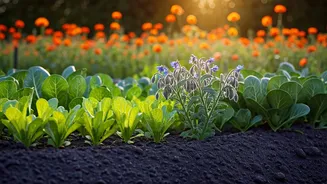
Add a touch of beauty and ecological benefit to your garden with borage. Its charming blue flowers are not only visually appealing but also serve as a magnet for essential pollinators like bees. These pollinators are crucial for the successful fruiting of summer squash, making borage an excellent companion plant. For best germination results, aim for soil temperatures between 60 and 70°F. Borage seeds should be planted at a depth of 1/4 to 1/2 inch in well-drained soil and generally prefer full sun to partial shade. To manage its reseeding, simply cut back branches that have developed spent blooms. This plant needs moderate moisture to thrive.
Marigolds Brighten Spaces
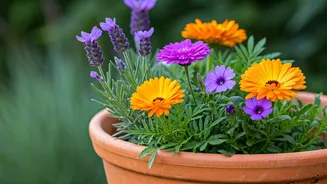
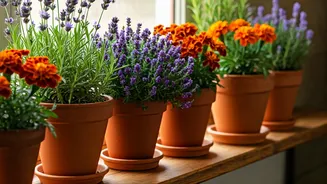
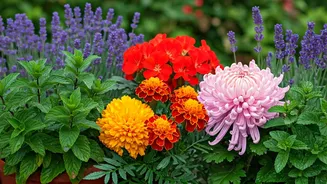
Whether you choose the petite French varieties or the more robust Mexican marigolds, these cheerful annuals are a guaranteed way to inject vibrant color into your garden. They grow rapidly and produce an abundance of eye-catching flowers. Marigolds are quick to germinate, ideally when soil temperatures are between 70 and 75°F. Plant them about 1/4 inch deep in lean soil with a neutral pH (around 6.0 to 7.0). These sun-loving plants prefer full sun and require only moderate to minimal moisture once established, making them low-maintenance yet high-impact additions to any garden bed or container.
Nasturtiums Ease Planting
While some gardeners opt to start nasturtium seeds indoors, they transplant just as successfully when sown directly into the garden once the soil has warmed to at least 55 to 65°F. To enhance germination rates, especially with their tough seed coats, try gently rubbing them with sandpaper or a nail file. Soaking the prepped seeds overnight before planting further aids germination. Plant them at a depth of 1/2 inch in lean, well-drained soil with a neutral pH. Nasturtiums flourish in full sun and appreciate consistent to moderate moisture levels throughout their growing period.
Summer Squash Warmth
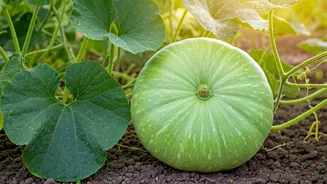
Unlike the cool-season crops featured earlier, summer squash requires warmer conditions and is planted later in the spring. Its seeds need a soil temperature of at least 70°F to successfully germinate. Spacing requirements can vary depending on whether you're cultivating a compact bush variety or a sprawling vining type, so it's always best to consult your seed packet for precise recommendations. Summer squash thrives in warm weather, indicating its planting time aligns with when the soil has thoroughly warmed up.