







Tanker Halts Amidst Suspicion
Authorities in Junagadh, Gujarat, intercepted a milk tanker following intelligence regarding potential fake dairy operations. The vehicle, reportedly en route
from Leria village, was stopped as part of an investigation into suspected adulteration. This proactive measure was initiated after receiving a tip-off, underscoring the importance of public vigilance and official response in safeguarding food quality. The initial stop aimed to prevent potentially compromised milk from reaching the market and to gather evidence for further scrutiny.
Initial Tests Raise Red Flags
Upon stopping the tanker, officials conducted a rapid, on-the-spot assessment of the milk's quality. This preliminary test, utilizing a basic kit, yielded concerning results, indicating the presence of detergent powder and other artificial compounds. Such additives are sometimes introduced to increase milk's volume and alter its perceived thickness, creating a false impression of richness. The discovery of these substances in a widely consumed product like milk has ignited significant apprehension about the safety of dairy items that eventually reach households and the potential health implications for regular consumers.
Testing Kit Shortage Hinders Verification
Following the preliminary findings, the local Food Safety Department was notified to conduct a more thorough inspection. However, a significant challenge emerged as the department's officers arrived without the necessary testing kits. This lack of essential equipment prevented them from performing a proper and immediate verification of the milk's quality at the site. Consequently, the situation underscored a critical gap in the on-ground inspection capabilities, delaying the confirmation of the suspected adulteration and its extent.
Lab Analysis Awaits
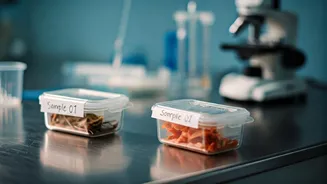
To address the verification gap, officials have collected samples from the intercepted tanker. These samples will now undergo comprehensive analysis at a designated laboratory. The process of obtaining a final report from this detailed laboratory examination is expected to be lengthy, potentially taking several months. This waiting period highlights the bureaucratic timelines involved in food safety investigations and the need for swift resolution to assure public confidence.
Calls for Stringent Action
In the wake of this incident, local residents and consumer activists have voiced strong demands for decisive action, contingent on the confirmation of adulteration through lab tests. Beyond punitive measures, there are also significant calls for equipping field officers with advanced and readily available testing tools. The objective is to enable rapid, on-the-spot quality checks during inspections, thereby enhancing the efficiency and effectiveness of food safety surveillance and ensuring that potentially harmful products are identified and halted much sooner.