




The Brain-Skin Connection
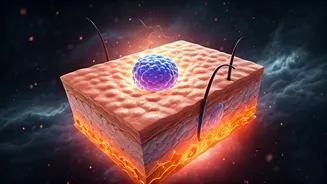
Our skin is more than just an outer covering; it's a dynamic organ with its own immune system and a direct communication line to our brain, known as the
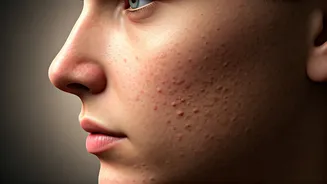
brain-skin axis. When we experience stress, our body releases cortisol, a hormone that can significantly impair the skin's optimal functioning. This heightened cortisol level weakens the skin's natural defenses, making it more susceptible to external irritants and inflammation. Consequently, the skin becomes less efficient at repairing itself, leading to a visible deterioration in its appearance. This compromised state means that conditions like acne can flare up more intensely and persist for longer, as the skin struggles to heal effectively. The intricate interplay between our mental state and our skin's health is a crucial aspect of overall well-being, often manifesting in ways we initially overlook.
Subtle Signals to Notice
Often, the earliest indicators of stress on the skin are so subtle that they are easily dismissed or attributed to other factors. You might observe a noticeable dullness, a loss of that healthy radiance, even if you've been getting adequate sleep. Dry patches might appear on areas of your face or body that are typically well-moisturized, causing an unusual sensation of tightness or discomfort. Even products that were once well-tolerated can start to cause irritation or redness, leading to an unexplained sensitivity. Furthermore, experiencing itchiness without any apparent cause can be another early warning sign. These aren't random occurrences; they represent your skin's initial reaction to underlying stress. Many people tend to overlook these preliminary signs, perhaps opting for a new skincare product or blaming changes in the weather, failing to connect them with the weeks of accumulated stress that preceded them.
Stress-Linked Skin Conditions
A significant body of research has firmly established a link between mental stress and several common skin ailments. Conditions such as acne, psoriasis, eczema, rosacea, and seborrheic dermatitis are frequently exacerbated or even triggered by heightened stress levels. This connection is not anecdotal; it's scientifically documented through observed physiological changes in the body. For individuals managing chronic conditions like psoriasis, flare-ups often coincide precisely with stressful life events, making the skin appear to act as a journal of their emotional experiences. Beyond initial outbreaks, stress also impairs the skin's natural healing processes. Minor injuries, post-inflammatory hyperpigmentation from acne, and other marks take considerably longer to fade when the body is under prolonged stress, which can lead to frustration and a feeling of helplessness, even when diligent skincare routines are followed.
Effective Treatment Strategies
When faced with persistent skin issues, it's vital to recognize that solely treating the skin's surface may not resolve the underlying problem. Dermatologists often find that patients who repeatedly seek treatment for conditions that don't improve with standard therapies may have a significant stress component impacting their health. As one expert notes, 'Skin shows the truth. Patients may say they feel fine, but their skin often tells another story.' This highlights that stress can manifest physically before any conscious emotional awareness. Therefore, incorporating stress management into a comprehensive treatment plan is not merely a suggestion but can be the crucial missing element for achieving lasting skin health and resolution of chronic dermatological concerns. Addressing the root cause of stress is as important as any topical or oral medication for skin healing.