




The Stability Chair Challenge
Actor Janhvi Kapoor has recently elevated her Pilates regimen with a challenging exercise focusing on glute and core development. This advanced move, demonstrated
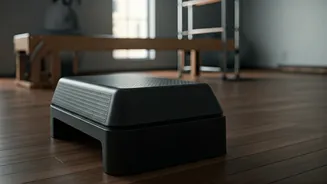
in a high-level display of functional mechanics, is a variation of the 'Going Up Front' or 'Step Up' exercise performed on the Pilates Stability Chair, also historically known as the Wunda Chair. This equipment is considered by experts to be one of the most demanding and revealing tools in the Pilates arsenal. Unlike conventional gym equipment, the Stability Chair features a pedal mechanism that is spring-loaded. The exercise involves placing one foot on the chair's seat and the other on the movable pedal. To ascend, a practitioner must leverage the strength of their leading leg to lift their entire body weight, while simultaneously maintaining control of the rising pedal behind them. Janhvi's execution of this move without relying on the handles for support significantly amplifies the challenge, transforming it from a simple leg exercise into a comprehensive full-body stabilization task, demanding considerable discipline and mastery over one's own body weight.
Sculpting Lower Body Power
Incorporating the Stability Chair Step Up into your fitness routine offers profound benefits, particularly for lower body sculpting and strength. Due to the chair's height and the limited surface area of the pedal, this exercise creates a mechanical disadvantage that prompts a greater recruitment of muscle fibers in the Gluteus Maximus and Medius, surpassing the effectiveness of standard lunges. This makes it an exceptionally potent method for developing both power and definition in the lower body. Furthermore, the unilateral nature of this movement is crucial for correcting postural imbalances. Many individuals tend to favor one side of their body, leading to compensatory movements during activities like squatting or walking. The Stability Chair highlights and addresses these imbalances by compelling the weaker leg to undertake the entire workload. This is vital for long-term joint health and plays a significant role in preventing back pain associated with conditions like scoliosis.
Core Strength and Stability
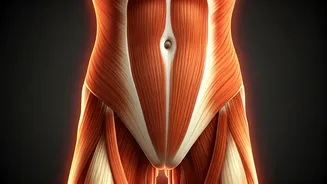
Beyond its impact on the glutes and quadriceps, the Stability Chair Step Up is instrumental in fortifying your core and enhancing pelvic stability. The ability to maintain an upright posture without the assistance of handles necessitates the engagement of deep core muscles, including the Transverse Abdominis—often referred to as the body's natural corset—and the Multifidus muscles that run along the spine. This integrated muscle activation creates a strong, stable core, akin to a 'steel pillar,' which contributes to an upright posture and a significantly more robust central core. This focus on deep stabilization is a hallmark of Pilates and leads to improvements in overall body alignment and functional strength, essential for everyday movements and athletic performance alike.
Injury Prevention and Balance
The Stability Chair Step Up significantly contributes to injury prevention and enhances proprioception, the body's awareness of its position in space. By challenging the body to maintain balance on an inherently unstable surface, such as the spring-loaded pedal, this exercise sharpens the brain's ability to communicate with the muscles for better stabilization. This improved proprioception is why athletes and performers, like Janhvi Kapoor, often incorporate such movements. It effectively prepares the body for unpredictable physical demands, whether in daily life or during demanding action sequences in film, thereby providing protection to the knees and ankles from potential injuries. The controlled nature of the movement, combined with the instability, builds resilience and responsiveness in the stabilizing muscles and joints.
Low-Impact, High-Intensity Gains
A key advantage of this advanced Pilates variation is its ability to deliver a high-intensity workout with minimal impact on the joints. The exercise effectively simulates the muscle fatigue and burn associated with heavy weightlifting, yet it places no undue stress on the joints. This makes it an ideal choice for individuals seeking to build bone density and muscular endurance without compromising joint health. The controlled resistance provided by the springs, coupled with the bodyweight challenge, fosters significant muscle development and endurance, all while being exceptionally gentle on knee cartilage. This unique combination of low-impact mechanics and high-intensity results offers a safe yet highly effective pathway to improved physical conditioning and strength, making it a valuable addition to any comprehensive fitness program.