







Fayetteville's Natural Charm
Nestled as the gateway to the majestic New River Gorge National Park, the charming town of Fayetteville offers more than just adrenaline-fueled escapades.
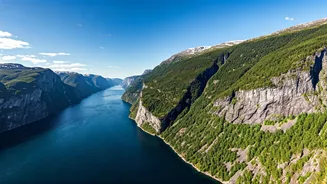
While renowned for thrilling activities like zip-lining, rock climbing, and whitewater rafting on the ancient New River’s dynamic rapids, the area boasts a quieter, equally captivating side, especially during the spring. High water levels mark the exciting commencement of the rafting season, but this period also presents an unparalleled opportunity to immerse yourself in the gorge’s spectacular natural splendor. Imagine leisurely cycling along a path like the Southside Trail, a former railroad bed now flanking the river. This tranquil route becomes a vibrant tapestry of color in spring, adorned with delicate woodland phlox, stately purple trillium, and the subtle beauty of thimbleberry blossoms, offering a peaceful communion with nature.
Spring Wildflower Spectacle
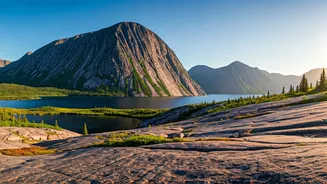
The humid, shaded woodlands characteristic of the New River Gorge region create an ideal environment for a diverse array of wildflowers. During April and early May, these flora transform the hillsides into a breathtaking natural spectacle. April, in particular, is an exceptional month to witness the gorge in full bloom. The National Park Service hosts an annual Wildflower Festival during this time, featuring free educational programs and guided excursions dedicated to helping visitors identify over 60 different species of wildflowers. For those unable to visit in early spring, a later window from late May through early July offers another chance to experience the gorge's floral beauty, as vibrant pink and white rhododendrons come into their full glory.
Cascading Waterfalls Unveiled
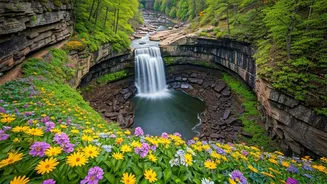
Beyond the vibrant blooms, the spring season brings forth another stunning natural feature: numerous waterfalls that cascade down the gorge's mossy slopes, fed by the abundant rainfall. These hidden gems are scattered throughout the park, with some easily accessible from roadsides, others found along hiking trails, and a few requiring a more adventurous approach to discover. The state tourism website offers a unique 'digital passport' challenge, encouraging visitors to seek out and document more than 10 of these falls. This initiative not only adds an element of discovery but also allows participants to potentially win prizes. The sheer variety ranges from the expansive Sandstone Falls, a 1,500-foot-wide spectacle with 10-20 foot drops accessible by boardwalk, to the dramatic 60-foot plunge of Cathedral Falls, a tributary of the New River. Other picturesque falls, like Glade Creek Falls, await discovery along the park’s hiking paths.
Trout Fishing Delights
The New River Gorge's brisk, icy streams, though chilling to the touch in early spring, provide an optimal habitat for a variety of trout species. State fisheries actively stock rainbow, golden, brown, and brook trout in numerous tributaries such as Glade Creek, Dunloup Creek, Laurel Creek, Mill Creek, and Meadow Creek each spring, creating excellent opportunities for anglers. The cool water temperatures are precisely what these cold-water-loving fish thrive in, making these creeks prime locations for a rewarding fishing experience during this time of year.
Echoes of History
While spring offers a slower pace compared to the bustling summer months, the New River Gorge holds remnants of its industrial past. Exploring trails like the Southside Trail, you might encounter traces of abandoned mining towns such as Rush Run and Red Ash. A particularly poignant historical site is Red Ash Island, which served as an isolation area during a smallpox outbreak in the 1890s. Many victims were buried on the island, and though the town was deserted in the 1950s, a few headstones remain, offering a quiet testament to its history. These sites provide a fascinating counterpoint to the natural beauty, adding layers of historical intrigue to any visit.