




Energy Source Switch
When you embark on a 48-hour water-only fast, your body initiates a remarkable metabolic adaptation to sustain itself without external fuel. For the initial
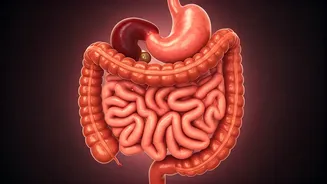
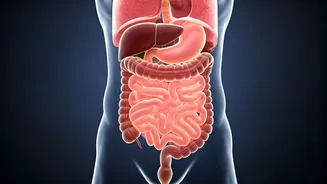
12 to 24 hours, your system efficiently taps into its readily available glycogen stores within the liver, converting these stored carbohydrates into glucose for immediate energy. However, as these reserves begin to dwindle, a significant shift occurs. Your body intelligently pivots to its backup fuel system: stored fat. This transition is accompanied by a notable decrease in insulin levels, signaling the body to mobilize fat reserves. Consequently, the liver starts producing ketones, which then become a viable and essential alternative energy source for your cells, enabling vital bodily functions to continue despite the absence of food. This process ensures that your brain and other organs receive the energy they need to operate.
Common Fasting Symptoms
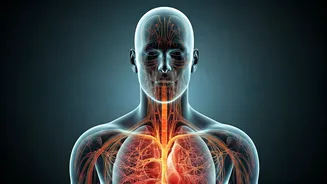
As your body navigates the challenges of a 48-hour fast, several physical and mental changes are commonly reported by individuals. These are often direct responses to the reduced calorie intake and the body's adjustment to lower blood glucose levels. Many experience a general feeling of tiredness or fatigue, a lack of focus, and increased irritability. Headaches can also emerge as a symptom. Furthermore, some individuals might feel a sense of dizziness or general weakness. These manifestations are not necessarily indicative of a problem but rather signal the body's ongoing adaptation to a new metabolic state. Understanding these common reactions can help individuals better prepare for and manage the experience of prolonged fasting.
Fasting Safety Concerns
While a 48-hour water fast might seem manageable for some healthy adults, it's imperative to understand that its safety is not universal. Individual responses to fasting vary significantly, influenced by a multitude of factors including one's baseline health, current hydration status, and typical daily activity levels. For some, this period of caloric restriction can lead to adverse effects such as pronounced dizziness, significant weakness, dangerously low blood sugar levels (hypoglycemia), or dehydration, especially if fluid intake is not meticulously maintained. Therefore, what might be a tolerable experience for one person could pose serious health risks for another, underscoring the need for caution and personalized assessment.
Risks and Rewards
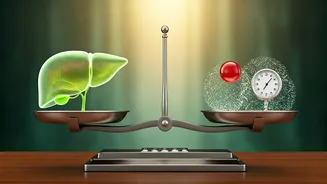
Fasting, particularly for a duration like 48 hours, is often explored for its potential to aid in weight management by encouraging the body to utilize stored fat for energy. This metabolic switch can be appealing for those seeking to reduce body fat. However, it's crucial to weigh these potential benefits against the significant drawbacks. Extended periods without food can precipitate a range of uncomfortable and potentially disruptive symptoms, including profound fatigue, persistent headaches, noticeable mood fluctuations, and a marked difficulty in performing everyday tasks. It is therefore essential to approach fasting not as a casual trend but as a practice that demands careful consideration and a thorough understanding of its implications.
Who Should Abstain
Certain groups of people should strictly avoid undertaking a 48-hour water-only fast due to the substantial health risks involved. This includes pregnant or breastfeeding women, whose nutritional needs are paramount for maternal and infant health. Individuals diagnosed with diabetes, or those taking medications that affect blood sugar levels, are particularly vulnerable to dangerous fluctuations. Furthermore, those with a history of eating disorders or individuals managing chronic health conditions should also refrain from extended fasting, as it can exacerbate their existing issues or trigger serious complications by disrupting crucial bodily balances. Consulting a healthcare professional is non-negotiable for anyone considering such a dietary change.