







Ancient Mountain Origins
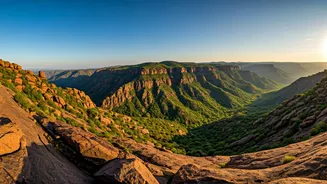
The Aravalli Range holds the distinction of being one of the oldest mountain ranges globally, a testament to the Earth's long and dynamic history. Its
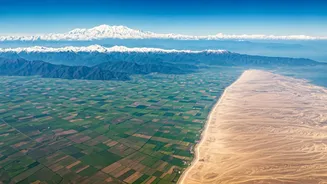
geological roots trace back to the Precambrian era, making it far older than the Himalayas. This ancient range once rivaled the Himalayas in its towering height, but over millions of years, weathering and erosion sculpted it into its present form. Despite its diminished height today, the Aravallis continue to be a significant geographical feature, stretching approximately 692 kilometers (430 miles) in a northeastern to southwestern direction across several Indian states, primarily Rajasthan, but also encompassing parts of Gujarat, Haryana, and Delhi. This extensive spread highlights the range’s historical importance in shaping regional landscapes and influencing the climate and ecosystems of the areas it traverses. The very bedrock of the Aravallis provides a unique window into the geological past of the Indian subcontinent.
Ecological Significance Unveiled
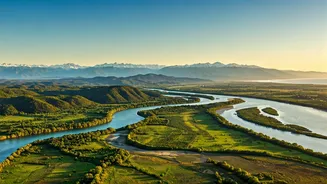
The Aravalli Range is more than just a geological formation; it's a vital ecological system, acting as a natural barrier and a cradle for biodiversity. It plays a critical role in influencing the regional climate patterns, particularly in the arid and semi-arid regions of Rajasthan. The range helps to regulate the monsoon patterns and rainfall distribution, making it an essential component for the water resources of the region. Furthermore, the Aravallis serve as a crucial watershed, with several rivers originating from its slopes, supporting agriculture and sustaining communities. The range is a haven for diverse flora and fauna, harboring various plant species, including medicinal herbs, and a variety of wildlife, such as leopards, jackals, and migratory birds. This rich biodiversity makes the Aravallis an invaluable resource for ecological conservation and a significant aspect of India's natural heritage. Its importance lies not only in its biological diversity but also in its contribution to ecosystem services like soil conservation and groundwater recharge, underpinning the sustainability of the surrounding regions.
Threats and Challenges
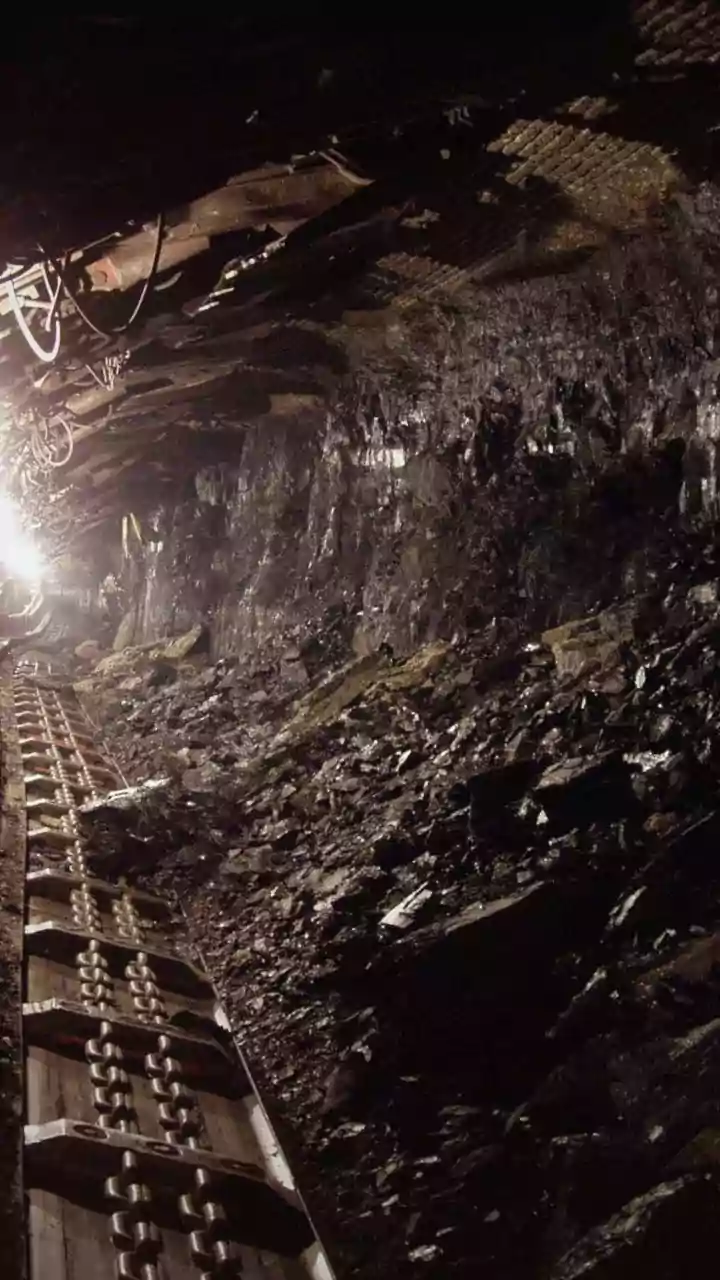
Despite its historical and ecological importance, the Aravalli Range faces significant threats, primarily from human activities that pose serious challenges to its preservation. Mining operations have been a major concern, as they lead to deforestation, habitat destruction, and soil erosion. The extraction of minerals not only scars the landscape but also disrupts the natural water cycles and affects the local ecosystems. Urbanization and the expansion of infrastructure also contribute to the degradation of the Aravallis. Increasing demands for land and resources have led to deforestation for construction, agricultural expansion, and industrial development. This relentless pressure on the natural resources of the range has resulted in habitat fragmentation, loss of biodiversity, and decreased water availability. Climate change exacerbates the existing threats, with changing weather patterns and increasing temperatures further stressing the fragile ecosystems of the Aravallis, creating a critical need for sustainable management and conservation efforts.
Conservation Efforts Needed
Addressing the challenges facing the Aravalli Range requires a multifaceted approach involving government bodies, local communities, and conservation organizations. Effective conservation strategies include strict regulations on mining and other environmentally damaging activities, promoting sustainable land-use practices, and implementing reforestation programs. Protecting existing forests and restoring degraded areas are critical steps in restoring the ecological balance of the range. Engaging local communities in conservation efforts is also essential. Empowering communities with the knowledge and resources to protect the Aravallis ensures their active participation in sustainable practices. Raising public awareness about the range's ecological importance, its threats, and the need for conservation is vital. Education and outreach programs can help to foster a sense of responsibility and encourage individuals to support conservation initiatives. Collaborative efforts, blending scientific research, community participation, and policy enforcement, are essential to ensure the long-term protection of this ancient and valuable mountain system.