





The Bengali New Year
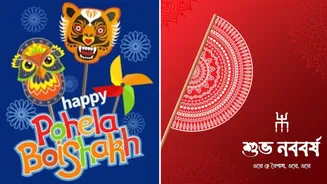
Pohela Boishakh, the eagerly anticipated Bengali New Year, is set to be observed on April 15, 2026. This festive occasion is a cornerstone of Bengali culture,
celebrated with immense joy and fervor not only in West Bengal and Bangladesh but also by Bengali diaspora across the globe. It signifies the commencement of the Bengali month of Boishakh, heralding a period of fresh starts, renewed hopes, and a deep sense of cultural pride. The Sankranti Moment, marking the precise transition into the new year, is noted to occur at 09:39 AM on April 14, 2026, according to Drik Panchang. The celebration embodies a collective desire for prosperity and a vibrant cultural expression, bringing communities together in a spirit of togetherness and optimism for the year ahead.
Rituals and Festivities
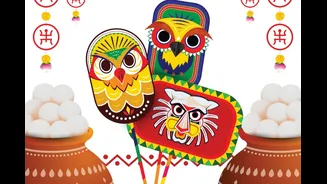
The celebration of Pohela Boishakh is deeply intertwined with a series of engaging rituals and joyful activities. Homes are meticulously cleaned and adorned with intricate 'alpona' designs, traditional Bengali motifs drawn on the floor. Many begin the day by donning new clothes, symbolizing a fresh start and purity. Prayers are offered to deities such as Goddess Lakshmi and Lord Ganesha, seeking blessings for abundance and success throughout the coming year. Beyond these personal observances, the day is characterized by vibrant processions, lively folk music performances, and energetic dance displays. Families and friends gather to share festive meals, making 'Haal Khata,' the opening of new account books for businesses, a significant tradition that marks economic renewal. The day is a rich tapestry of cultural expression, fostering a sense of community and shared heritage.
Historical Origins
The historical lineage of Pohela Boishakh is complex and fascinating, blending ancient customs with administrative reforms. The most widely accepted narrative credits its inception to the Mughal era, specifically during Emperor Akbar's reign. Recognizing the discrepancies between the existing Islamic lunar calendar and the agricultural seasons crucial for tax collection, Akbar's administration introduced a revised calendar. This new system, known as the 'Fasholi Shan' or harvest calendar, harmonized the lunar and Hindu solar calendars, aligning fiscal periods with harvest cycles and thus establishing the Bengali New Year. However, some historical theories suggest even older roots. These propose origins dating back to King Shashanka in the 7th century or links to the Vikramaditya era, indicating that the foundational elements of the Bengali calendar might have existed long before the Mughal period. Regardless of its precise origin, Pohela Boishakh evolved into a powerful emblem of renewal and solidarity.
Cultural Significance
The profound significance of Pohela Boishakh lies in its powerful evocation of renewal, a strong sense of cultural identity, and the strengthening of community bonds. As the very first day of the Bengali calendar, it represents an opportunity to shed past difficulties and wholeheartedly embrace the future with optimism and a drive for prosperity. This festival is a vibrant showcase of Bengal's rich heritage, bringing together traditional music, captivating art forms, delicious cuisine, and distinctive attire. Practices like 'Haal Khata' underscore the spirit of new beginnings in the economic sphere, while the widespread gatherings and celebratory events reinforce social connections. Ultimately, Pohela Boishakh transcends being merely a New Year celebration; it stands as a dynamic testament to unity, tradition, and the enduring spirit of the Bengali people worldwide.