




The Gut-Skin Connection
Your skin's condition is a direct reflection of your internal digestive health. When your gut isn't functioning optimally, leading to issues like slow
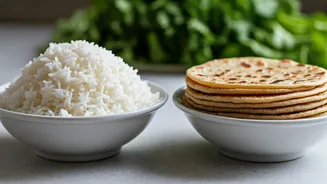
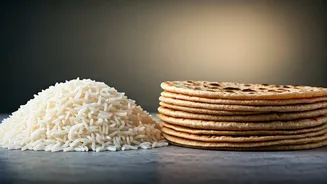
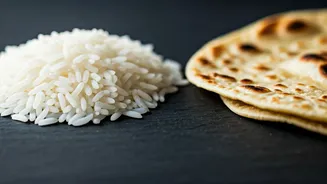
digestion or constipation, toxins can accumulate within the body. This internal sluggishness frequently manifests on the face, presenting as a dull complexion or unexpected pimples. This is precisely where whole wheat roti demonstrates its value. Unlike highly processed white rice, whole wheat flour is rich in dietary fiber. This fiber is crucial for maintaining a smooth digestive process, promoting regular bowel movements, and importantly, nourishing the beneficial bacteria within your gut microbiome. In contrast, white rice undergoes a milling process that removes its fiber-rich bran and germ, rendering it a highly processed grain with minimal to no digestive advantages.
Glycemic Index and Breakouts
For those struggling with persistent acne, understanding the Glycemic Index (GI) of your food is paramount. The GI quantifies how quickly a food elevates your blood sugar levels. White rice carries a significantly high GI, often around 73 or even higher. Consuming a large portion of white rice leads to rapid digestion and a sharp spike in blood sugar. This, in turn, triggers a substantial release of insulin and a related compound called Insulin-like Growth Factor 1 (IGF-1). Elevated IGF-1 levels can be detrimental to your skin, as they can disrupt androgen hormones and overstimulate the sebaceous glands. This leads to increased oil production, clogged pores, and ultimately, breakouts. Whole wheat roti, however, boasts a considerably lower GI, typically around 62. This means it digests more slowly and steadily, releasing glucose into your bloodstream gradually. The result is a lack of drastic hormonal fluctuations and reduced excess oil production, contributing to calmer, healthier skin.
Micronutrients for Repair
The skin barrier requires specific vitamins and minerals to effectively repair itself. Whole wheat flour, being less processed, retains a wealth of essential micronutrients, including B vitamins, zinc, magnesium, and iron. These nutrients play a vital role in supporting cellular turnover and facilitating skin repair processes. Conversely, the intensive milling of white rice strips away many of these beneficial nutrients, leaving it largely depleted of the elements that are crucial for skin health.
Roti's Role in Health
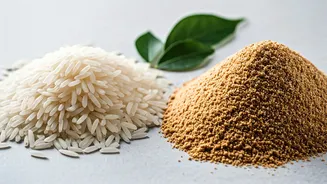
While whole wheat roti generally emerges as the better choice for overall health, there are nuances to consider. The introduction of brown rice significantly alters the comparison. When refined white rice is substituted with brown rice or hand-pounded semi-brown rice, its nutritional profile improves dramatically. Brown rice retains its bran and germ, resulting in a lower glycemic index and a fiber content comparable to roti. This makes it a strong contender for providing similar anti-inflammatory benefits to the skin. Additionally, the gluten content in roti is a critical factor for individuals with celiac disease, wheat allergies, or gluten sensitivities. For these individuals, consuming roti can provoke widespread inflammation that might manifest as cystic acne, eczema, rosacea, or unexplained rashes. In such cases, naturally gluten-free rice becomes the superior and safer dietary option.
Dietary Choices for Clarity
To achieve clearer, less oily skin, making whole wheat or multigrain roti your primary carbohydrate choice is advisable. These options help maintain hormonal balance and keep blood sugar levels stable. For devoted rice enthusiasts, opting for brown rice will offer comparable skin benefits. Enhancing your meals with generous portions of fiber-rich vegetables alongside either roti or brown rice will further contribute to improved skin health.