






Why the Salted Water Craze?
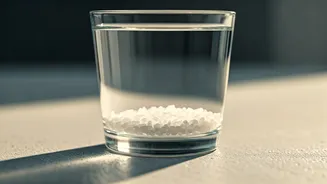
The recent surge in 'electrolyte hacks' on social media has popularized the idea of adding salt to water. This trend often stems from a desire to enhance
hydration and replenish lost electrolytes. However, experts caution against viewing this as a universal solution for better hydration. While salt plays a crucial role in bodily functions, including fluid balance and nerve signaling, consuming excessive amounts can lead to significant health complications. The body typically obtains sufficient sodium from regular dietary intake, making the addition of extra salt to every glass of water an unnecessary and potentially harmful practice that could contribute to elevated blood pressure, fluid retention, and long-term cardiovascular issues. It's vital to understand that simply adding more salt doesn't automatically equate to superior hydration; in fact, it can sometimes exacerbate thirst.
Who Should Avoid This Trend?
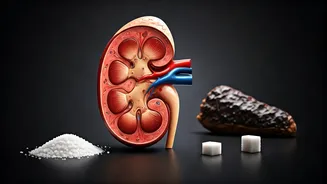
Certain individuals are strongly advised against adopting the salted water trend due to pre-existing health conditions. Those diagnosed with hypertension, heart disease, kidney ailments, or conditions associated with swelling and fluid retention must completely abstain from adding extra salt to their water. Individuals with kidney disease, in particular, have a compromised ability to process excess sodium, making them highly susceptible to adverse effects. The strain on their already compromised kidneys can be substantial, potentially leading to dangerous imbalances. Similarly, people experiencing fluid retention or thyroid issues should also exercise extreme caution and consult with a healthcare professional before considering any form of salt supplementation in their water intake. The risks for these groups far outweigh any perceived benefits.
When is Salted Water Beneficial?
There are indeed very specific scenarios where introducing salt into drinking water can be beneficial, primarily related to significant electrolyte depletion. This includes instances of intense physical exertion, such as during endurance sports, or after prolonged periods of heavy sweating, vomiting, or diarrhea, where the body loses vital electrolytes like sodium. Exposure to extreme heat for extended durations can also warrant electrolyte replenishment. However, even in these situations, experts recommend opting for medically prepared electrolyte solutions like Oral Rehydration Salts (ORS) or specially formulated sports drinks. These products are designed with precise electrolyte balances, offering a safer and more effective method of rehydration compared to the indiscriminate addition of table salt to water, which risks an inaccurate and potentially harmful concentration.
Smart Sipping Strategies
Before jumping on the salted water bandwagon, a thorough assessment of your personal health status is paramount. If you have any concerns regarding blood pressure, kidney function, or heart health, it is strongly recommended to avoid any added sodium in your water. Remember, the human body primarily requires water for hydration; an excess of sodium can paradoxically increase thirst rather than quenching it. Prioritize natural hydration sources such as plain water, coconut water, buttermilk, and water-rich fruits like watermelon. For situations requiring electrolyte replacement, such as during intense heat or strenuous activity, ORS is a reliable option. Always critically evaluate health trends seen on social media, as what works for one person may be medically inappropriate or even detrimental for another, underscoring the importance of personalized health advice.