




A Fiery Evolutionary Catalyst
For millennia, humans have been intimately connected with fire, a relationship that extends far beyond its utility for warmth, cooking, and crafting. This
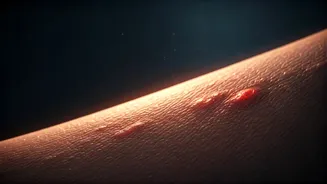
pervasive presence of heat and flame meant that minor burn injuries became an almost constant aspect of human existence. Unlike other species, which typically avoid fire, our ancestors learned to harness and manage it, leading to repeated exposures to high temperatures. Researchers now propose that this sustained encounter with burn trauma acted as a powerful selective pressure, subtly influencing which biological traits were passed down through generations. Over vast stretches of time, individuals better equipped to survive and recover from these frequent injuries were more likely to thrive, leading to the gradual evolution of our bodies in response to this unique environmental challenge.
Adaptations for Survival
The study, published in BioEssays, suggests that natural selection actively favored human traits that enhanced recovery from burns, especially smaller to moderate ones. Burns compromise the skin, our primary defense against pathogens, making infection a significant risk when this barrier is breached. In response, evolutionary pressures may have promoted a more robust inflammatory response, accelerated wound healing mechanisms, and a heightened pain sensitivity in humans. These adaptations would have been crucial for limiting further tissue damage and preventing microbial invasion, thereby increasing survival rates in an environment where burns were common. This intricate interplay between fire exposure and our biological defenses highlights how a persistent environmental factor can drive significant evolutionary changes over long periods.
The Double-Edged Sword of Healing
While the evolutionary adaptations for burn recovery were beneficial for minor injuries, they also carry a drawback. The same mechanisms that aid in healing small burns can become detrimental when dealing with severe trauma. Contemporary medical understanding reveals that extreme inflammation and extensive scarring, along with potential organ failure, can result from massive burns. The researchers theorize that these severe reactions might be an unintended consequence of ancient adaptations, originally designed to cope with less extensive injuries. This perspective offers a novel explanation for why severe burns can be so overwhelming for the human body today, suggesting our evolutionary toolkit, while effective for its intended purpose, may not have been fully prepared for the scale of injuries that modern medicine now addresses.
Genetic Echoes of Fire
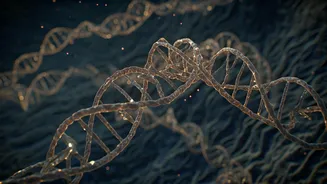
To support their hypothesis, the research team delved into genetic data, comparing human genetic makeup with that of other primates. Their analysis revealed that several genes associated with wound healing, immune system function, and inflammation have evolved at an accelerated pace in the human lineage. These genetic distinctions are thought to underpin unique human skin characteristics, such as its inner layer being thicker and its sweat glands being located deeper within the dermis. These physical traits, potentially influenced by our ancestral exposure to burns, might have provided an evolutionary advantage in managing heat and resisting infection, further illustrating the profound and lasting impact of fire on our biological makeup.
Revolutionizing Burn Treatment
This evolutionary lens offers a fresh perspective for understanding burn treatment. The researchers believe this insight could be key to unlocking why treatments developed from animal models, which lack this specific evolutionary history with fire and burns, have not always translated effectively to human patients. Furthermore, the study suggests that exploring genetic variations could help explain the wide disparity in burn recovery outcomes observed among individuals. Understanding these underlying genetic differences might pave the way for more personalized and effective future treatments, acknowledging that our evolutionary past has left distinct imprints on our individual abilities to heal from severe injuries. This research ushers in a new era, viewing burns not as isolated incidents but as a continuous evolutionary force that has shaped humanity.