




Protein's True Role
Protein is frequently lauded as a key player in shedding pounds, but its effectiveness in weight loss is nuanced and highly dependent on how your body
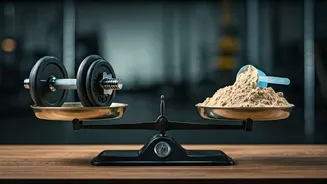
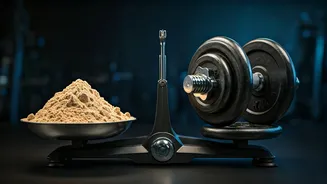
utilizes it. Experts emphasize that protein truly aids fat loss when your body is actively engaged in building or repairing muscle tissue. If you increase your protein consumption without concurrently increasing physical activities that stimulate muscle growth, such as strength training, the surplus protein doesn't simply vanish. Instead, similar to other macronutrients, this excess protein contributes to your total calorie intake, and consistently consuming more calories than your body burns can inevitably lead to weight gain. This highlights that protein's weight-loss benefits are not inherent but rather a consequence of its role in supporting muscle development, which in turn influences metabolism.
The Muscle Trigger
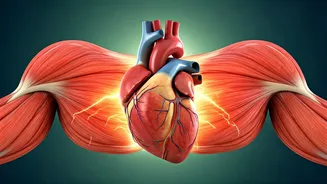
The notion that higher protein intake automatically translates into more muscle mass is a common misconception. From a clinical nutrition standpoint, protein is most effective for fat loss when the body possesses a genuine physiological requirement for it. This demand is primarily driven by muscle tissue. Dietitians explain that muscle growth isn't an automatic process; it requires a specific stimulus. Resistance or strength training acts as this crucial signal, prompting the body to initiate the process of building or maintaining muscle. In the absence of such a signal, protein is either repurposed for essential bodily functions or stored as energy. Therefore, protein itself doesn't spontaneously create muscle; it's the exercise that dictates how your body ultimately uses the protein you consume.
High-Protein Diet Pitfalls
Indeed, some individuals find themselves gaining weight after transitioning to diets emphasizing higher protein intake, and this is precisely why. Many people significantly boost their protein consumption through various sources like shakes, bars, or larger meal portions without making corresponding adjustments to their physical activity levels. This imbalance results in consuming more calories than the body requires. While foods rich in protein are generally healthy and offer numerous benefits, they are still calorically dense. Ingesting them in excessive amounts can impede the process of fat loss and, paradoxically, lead to weight gain. Just like carbohydrates and fats, protein provides calories, and when your protein intake surpasses the body's needs for essential functions like repair, immune support, and basic metabolic processes, the extra energy is stored as fat.
Optimal Protein Intake
For the majority of adults, the most effective strategy for protein consumption involves distributing it evenly across all their meals throughout the day. Experts suggest that aiming for approximately 20 to 30 grams of protein per meal is generally sufficient to support muscle repair and promote a feeling of satiety, provided that you are physically active. Consuming protein in significantly higher amounts than your body requires does not typically yield additional health benefits. The key is to match protein intake with bodily needs, which are influenced by activity levels. Focusing on this balanced approach ensures that protein is used for its intended purposes without contributing to an unnecessary calorie surplus that could hinder weight management efforts.
Strength Training's Role
Strength training plays a pivotal role in ensuring that protein is directed towards muscle tissue rather than being stored as fat. Engaging in strength training, even as little as two to three times per week, can yield substantial positive outcomes. It significantly boosts your metabolism, helps in increasing lean body mass, and effectively supports healthy fat loss. Think of protein as a valuable resource, but not a magic shortcut. Optimal weight management is achieved through a holistic approach that integrates appropriate protein intake with consistent strength training and a mindful awareness of your overall calorie consumption. Simply increasing protein intake without incorporating exercise often leads to disappointment rather than the desired results, underscoring the inseparable link between diet and physical activity for successful weight management.