




Phirni: A Festive Treat
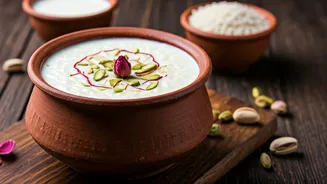
Phirni is a traditional sweet dish commonly prepared during festivals, especially Ganesh Chaturthi, as a bhog for Lord Ganesha. This creamy rice pudding
typically features ground rice, milk, sugar, and various flavourings such as cardamom, saffron, and nuts. Its smooth texture and delicate taste make it a beloved dessert. The preparation of phirni is relatively easy, making it a popular choice for both experienced cooks and beginners. Families often share phirni, fostering a sense of community and celebration during the festive season. The fragrance of phirni fills homes, signifying the arrival of joy and blessings with the beloved deity. This recipe will make your celebrations even sweeter.
Gather Your Ingredients
Before you begin, gathering the right ingredients is crucial. You'll need key components to achieve the perfect phirni texture and flavor. The primary ingredients include rice, milk, sugar, and flavourings. Ground rice is typically used to give phirni its creamy consistency; basmati or other short-grain rice is preferred. Full-fat milk ensures richness. Sugar adds the necessary sweetness, which can be adjusted according to personal preference. Cardamom pods, saffron strands, and chopped nuts like almonds and pistachios are commonly added for flavour and visual appeal. Make sure to have a good quality of milk and rice for best results. Having all the ingredients measured and ready before you start will simplify the cooking process, allowing you to focus on the joy of creating a festive treat.
Preparing the Rice
The first step in making phirni is preparing the rice. Soak the rice in water for about an hour or more to soften it. Then, drain the water thoroughly and grind the rice coarsely. The consistency of the ground rice is essential; it should be coarse enough to give the phirni its characteristic texture, not too fine, as it would make the dessert mushy. Some recipes suggest a fine grinding of rice for a smoother texture. After grinding, the ground rice is often added to the milk. This step is crucial for the overall success of the dish, so precision is important. The coarse texture of the rice adds to the richness and the traditional taste of the phirni. The grinding process sets the base of this creamy dessert. The soaking time and the method of grinding will greatly impact the final outcome.
The Cooking Process
The cooking of phirni is a slow, steady process. In a heavy-bottomed pan, combine milk and the ground rice. Bring the mixture to a simmer over medium heat, stirring continuously to prevent the rice from sticking to the bottom. Once the mixture is simmering, reduce the heat to low and continue cooking, stirring frequently, until the rice is cooked and the mixture thickens. The constant stirring is vital to avoid lumps and ensure even cooking. This process can take around 20-30 minutes, or longer, depending on the desired consistency. Sugar is added once the rice is cooked and the mixture has thickened. Stir until the sugar dissolves completely. After sugar is added, incorporate the flavourings, like cardamom, saffron, and nuts. This is when the distinctive aromas and flavours of the phirni begin to develop.
Adding Flavor and Flair
Enhance the flavour of your phirni by incorporating aromatic spices and nuts. Cardamom pods, when crushed and added to the simmering milk and rice, infuse the dessert with a warm, fragrant essence. Saffron strands can be steeped in a small amount of warm milk before adding them to the phirni. This step not only gives the dessert a beautiful golden colour but also adds a subtle floral note. Chopped nuts, such as almonds and pistachios, add texture and visual appeal. Stir them into the phirni during the final stages of cooking or use them as a topping. The careful addition of these flavourings is what elevates the phirni from a simple rice pudding to a truly festive dessert.
Cooling and Serving
Once the phirni has reached the desired thickness and the flavours have melded, it's time to cool and set it. Pour the phirni into individual earthen bowls, known as 'matkas,' for a traditional presentation, or use other serving dishes. Allow the phirni to cool to room temperature before refrigerating it for at least a few hours, or ideally overnight, to set completely. Chilling the phirni allows it to thicken further and intensifies the flavours. Before serving, garnish the phirni with more chopped nuts or a sprinkle of saffron strands. Serve the phirni chilled. This dessert is best enjoyed cold, as the flavours and textures are enhanced when properly chilled. The presentation can be as simple or elaborate as desired, making this dessert a versatile offering for Ganesh Chaturthi.