
Culinary Roots & Innovation
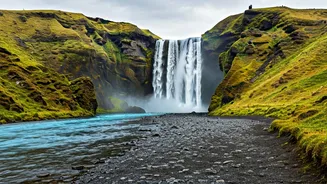
Iceland's culinary heritage is deeply intertwined with its rugged environment, where limited arable land and harsh winters historically dictated resourceful
food preservation. This necessity led to the widespread use of drying, smoking, pickling, and underground fermentation to ensure sustenance. Today, this history is being reinterpreted by a new generation of chefs championing the "New Nordic" movement, infusing traditional ingredients and techniques with contemporary flair. While Reykjavík serves as the epicenter of this evolving food scene, exceptional dining experiences can be found across the island, particularly for seafood enthusiasts. The island's abundant geothermal energy also plays a surprising role, enabling greenhouse cultivation of produce like tomatoes and even bananas, a testament to Iceland's ingenuity in overcoming environmental challenges.
Must-Try Icelandic Flavors
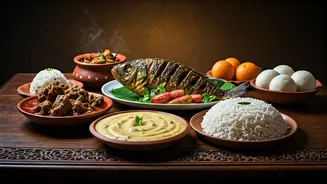
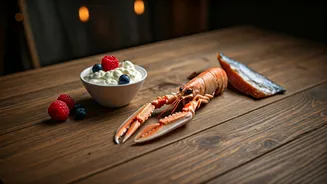
Iceland offers a diverse array of distinctive culinary experiences. Skyr, a creamy, cheese-like dairy product often likened to yogurt, is a versatile staple enjoyed for breakfast, in smoothies, and as a base for decadent desserts like cheesecake. For a taste of the sea, harðfiskur, or wind-dried fish jerky, is a popular, savory snack best enjoyed with a slather of butter. The iconic Icelandic hot dog, known as pýlsur, is a unique blend of lamb, beef, and pork, famously adorned with a variety of toppings. Sweet-toothed adventurers will find an unusual delight in Iceland's love for licorice, often found in chocolate-covered forms or even infused into baked goods. Rúgbrauð, a dense, dark rye bread, sometimes baked geothermally (hverabrauð), offers a rustic, earthy flavor. Coastal towns are renowned for their hearty fiskisúpa, a rich fish broth. For a true delicacy, humar, or langoustine, is a celebrated catch, especially in the town of Höfn. Icelandic lamb, known for its exquisite flavor, is a national pride, often simply grilled or roasted to perfection. Hangikjöt, or smoked lamb, offers a unique, traditional taste, often reserved for festive occasions. To wash it all down, brennivín, a potent caraway-flavored schnapps, is the quintessential Icelandic spirit.
Unique Tastes & Festivals
Beyond the mainstream, Iceland presents some truly unique and adventurous culinary offerings, alongside vibrant food festivals. Adventurous palates might encounter svið (singed sheep's head), sviðasulta (head cheese), slátur (blood pudding and liver sausage), súrsaðir hrútspungar (pickled ram's testicles), and the infamous hákarl (fermented shark), whose pungent aroma and challenging aftertaste are often countered with a shot of brennivín. For vegetarians and vegans, Reykjavík offers a growing number of dedicated eateries, though options outside the capital may be more limited. Iceland's passion for food and drink is celebrated throughout the year. The Þorrablót festival in late January to mid-February features traditional, often challenging, Icelandic delicacies. The Food & Fun festival in February/March showcases international chefs collaborating with local restaurants. Beer Day on March 1st commemorates the end of alcohol prohibition. Sjómannadagurinn (Seafarers' Day) in early June celebrates the fishing heritage with seafood feasts. The Humarhátíð (Humar Festival) in late June/early July highlights langoustine in Höfn, and the Herring Festival in early August revives the spirit of Siglufjörður's fishing past.