






Bleeding Your Radiators
One of the most common issues leading to inefficient radiators is trapped air. This air prevents hot water from circulating effectively throughout the unit,
leaving cold spots and reducing overall heat output. The process of 'bleeding' a radiator involves releasing this trapped air. You’ll typically need a radiator key, which is a small, specialized tool. Locate the bleed valve, usually found at the top corner of the radiator. Place a small container beneath the valve to catch any dripping water. Gently turn the key counter-clockwise. You’ll likely hear a hissing sound as air escapes. Once water begins to stream out consistently without any air bubbles, close the valve by turning the key clockwise. It's a straightforward maintenance task that can dramatically improve your radiator's heating performance and is often the first step a professional would take. Regularly bleeding your radiators ensures they operate at peak efficiency, delivering warmth evenly throughout your room and preventing unnecessary energy expenditure.
Reflective Radiator Panels
A surprisingly simple yet effective way to enhance radiator efficiency is by installing reflective panels behind them. These panels, often made of foil-backed material, work by reflecting the heat that would otherwise be absorbed by the wall back into the room. Walls, especially if they are exterior or poorly insulated, can be significant heat sinks, drawing warmth away from your living space. By placing a reflective panel between the radiator and the wall, you create a barrier that redirects infrared radiation forward. This means more of the heat generated by your radiator is projected into the room where it's needed, rather than being lost through the wall. This method is particularly beneficial for radiators located on external walls. The installation is usually minimal, often just requiring some double-sided tape or clips to secure the panel. It’s a low-cost, DIY-friendly solution that can lead to noticeable improvements in room temperature and a reduction in heating bills by making better use of the heat produced.
Optimizing Radiator Placement
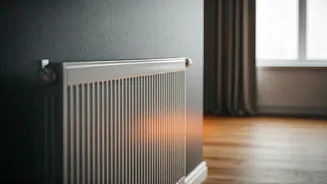
While you might not always have the luxury to change where your radiators are located, understanding the ideal placement can help you maximize their effectiveness. Traditionally, radiators are installed beneath windows. This placement serves a dual purpose: it warms the air that enters through the window, preventing cold drafts from circulating, and it also counteracts the cooling effect of the window glass. However, it's crucial that radiators are not obstructed. Furniture, heavy curtains, or shelving placed too close to a radiator can significantly impede heat distribution. These items act as barriers, blocking the flow of warm air into the room. Ensure that there's ample space around the radiator, allowing warm air to rise and circulate freely. Keeping radiators clear of any obstructions is a fundamental principle for efficient heating, ensuring that the heat generated can properly warm the entire space without being trapped or redirected inefficiently. This consideration is vital for consistent room temperatures and efficient energy use.
Servicing and Maintenance
Regular servicing and maintenance by a qualified professional are paramount for ensuring your radiators and heating system operate at their optimal efficiency. Over time, internal components can accumulate sludge or scale, and external surfaces can become dusty, all of which can hinder heat transfer. A professional service typically involves thorough cleaning of the radiator's interior and exterior, checking for any leaks or damage, and ensuring that all valves and connections are secure and functioning correctly. They can also check the overall system pressure and balance, which is crucial for even heating across all radiators. Neglecting regular maintenance can lead to decreased performance, higher energy bills, and potentially more significant and costly repairs down the line. Proactive servicing helps identify and address minor issues before they escalate, thereby extending the lifespan of your heating system and ensuring it runs as efficiently as possible, providing consistent warmth and comfort throughout your home.
Insulating Pipes and Valves
Heat loss doesn't only occur at the radiator itself; it can also happen in the pipes that carry hot water to and from the unit, especially if they run through unheated spaces like basements or crawl spaces. Insulating these pipes is a highly effective method to prevent this energy waste. By encasing the pipes in insulating material, such as foam sleeves or mineral wool, you significantly reduce the rate at which heat dissipates into the surrounding environment before it even reaches the radiator. This means more of the heated water's energy makes it to the radiator, contributing to more efficient heating of your rooms. Furthermore, insulating exposed radiator valves can also contribute to efficiency by minimizing heat loss from these connection points. This is a relatively simple DIY task that can yield substantial savings on your energy bills by ensuring that the heat generated by your boiler is delivered where it's needed most, rather than being lost in transit.
Smart Thermostats
Integrating smart thermostats with your heating system offers a sophisticated approach to managing radiator efficiency and overall home comfort. Unlike traditional thermostats, smart devices learn your household's heating patterns and can be programmed remotely via a smartphone app. This allows for precise control over when and at what temperature your radiators operate, preventing unnecessary heating when rooms are unoccupied or during warmer periods. You can set schedules to ensure your home is warm when you need it and conserve energy when you don't. Some advanced smart thermostats can also detect when windows are open and automatically adjust heating to prevent waste. By optimizing heating cycles and avoiding overheating, smart thermostats not only enhance comfort but also contribute to significant energy savings, making your radiator system more efficient and environmentally friendly. Their ability to provide detailed energy usage reports also empowers homeowners to make informed decisions about their heating habits.