


A Grand Personal Gallery
Shalini Passi's Delhi bungalow, spanning an impressive 20,000 square feet in the exclusive Golf Links area, is far more than just a residence; it's a meticulously
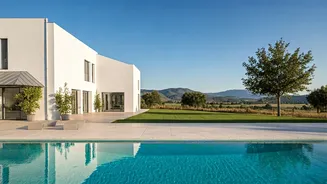
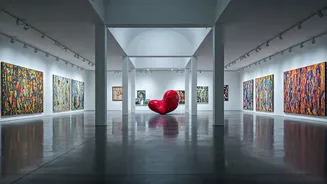
crafted sanctuary where art and architecture converge. Developed over a five-year period, this home is a profound expression of Passi's personal philosophy and artistic inclinations, reflecting her self-proclaimed 'labour of love.' The exterior presents a striking minimalist facade, characterized by a sweeping curved structure, vast expanses of glass framing lush lawns, and a commanding 25-foot Subodh Gupta Buddha head sculpture. This deliberate contrast with the vibrant, eclectic interiors creates a captivating dialogue between restraint and exuberance. Inside, the space transforms into a dynamic exhibition, showcasing an array of paintings, sculptures, and installations, alongside treasured decorative pieces from renowned designers like Fornasetti and Gio Ponti, complemented by antique gilt-wood mirrors and iconic MF Husain works. Passi emphasizes that this is not a static collection but a living entity, with artworks frequently rotated to maintain an evolving aesthetic.
Design for Well-being
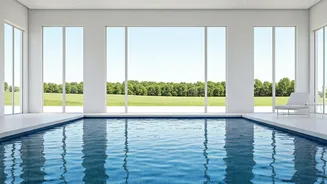
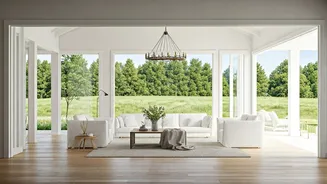
The architectural choices within Shalini Passi's residence extend beyond mere visual appeal to foster a distinct atmosphere and influence occupant experience. The central living area, designed with cathedral-like proportions, is bathed in natural light thanks to expansive glass windows that artfully frame both the internal artworks and the external landscape. Textural richness is introduced through a variety of flooring materials, including marble and plush carpeting, alongside the warmth of Persian rugs. Glistening crystal chandeliers and intricate woodwork add layers of sophistication and comfort. Outdoor amenities such as a swimming pool, gazebo, and meticulously maintained garden provide serene counterpoints to the home's inherent grandeur, offering tranquil retreats within the expansive property. This careful balance between visual density and open, airy spaces aims to provide both cognitive stimulation and a sense of profound calm, harmonizing the sensory richness of the interior with the peacefulness of the surrounding environment.
Art's Psychological Impact
The way our living environments are designed can significantly influence our mental states, creativity, and even social interactions, as exemplified by Passi's home. Sonal Khangarot, a licensed rehabilitation counselor, posits that highly detailed, maximalist spaces, like Passi's Delhi mansion, can be profoundly stimulating. This constant visual input, rich with art, varied textures, and layered objects, can act as a powerful catalyst for creativity, encouraging associative thinking and sparking new ideas, especially for individuals who flourish in dynamic settings. The art itself can also serve as a conduit for emotional expression and personal meaning, contributing positively to mental well-being. However, Khangarot cautions that excessive visual stimulation might prove counterproductive for some, potentially leading to mental fatigue or distraction, particularly for those susceptible to anxiety or cognitive overload. The key, she suggests, lies in strategic design that incorporates moments of visual respite to allow the mind to recalvert.
Minimalism Meets Maximalism
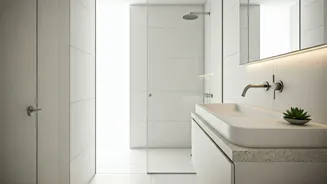
The juxtaposition of a minimalist exterior with a maximalist interior, as seen in Shalini Passi's residence, creates a unique psychological journey for those entering the space. Khangarot explains that the clean, ordered aesthetic of a minimalist exterior often imparts a sense of calm and predictability, helping to de-escalate the nervous system upon arrival and establishing an initial tone of serenity and security. In contrast, stepping into the richly decorated and intensely stimulating maximalist interior can feel like entering an entirely different dimension. This transition is described as heightening emotional engagement, fostering curiosity, and cultivating a sense of discovery. When this contrast is artfully managed, it allows individuals to seamlessly navigate between states of tranquility and vibrant engagement within the same dwelling, thereby supporting both relaxation and the flourishing of creative pursuits.