







The Pre-Workout Powerhouse
The food you consume before exercising plays a crucial role in dictating your performance and overall experience. A well-chosen pre-workout meal or snack
is designed to replenish your body's energy stores, specifically glycogen, which your muscles utilize as fuel during physical activity. Beyond just energy, adequate nutrition pre-exercise supports muscle maintenance, helps in reducing muscle breakdown, and primes your body for optimal recovery. The key lies in selecting foods rich in carbohydrates for that immediate energy, complemented by a moderate amount of protein to assist in muscle repair and synthesis. Additionally, incorporating healthy fats can contribute to sustained energy release, particularly for longer, less intense workouts. Understanding the interplay of these macronutrients and their timing relative to your workout is fundamental to harnessing their full benefits and achieving your fitness aspirations. It's about creating a synergistic nutritional strategy that amplifies your body's capabilities, making every training session more productive and rewarding.
Energizing Superstars
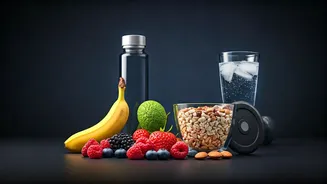
Certain foods stand out for their remarkable ability to fuel workouts. Beets, rich in nitrates, convert to nitric oxide, which enhances blood flow and oxygen delivery to muscles, potentially boosting endurance and performance. Cordyceps, an adaptogenic mushroom, is lauded for its energy-boosting properties, thanks to adenosine, a compound that aids ATP production, the body's primary energy currency. Coconut oil, brimming with medium-chain triglycerides (MCTs), provides a readily available energy source, reducing the body's reliance on carbohydrates. Berries, like strawberries and blueberries, offer easily digestible glucose for quick energy and are packed with antioxidants that aid in cellular repair and recovery. Coconut water, often dubbed 'nature's sports drink,' is replete with electrolytes lost during intense exercise, helping to maintain hydration and muscle function without the added sugars of typical sports beverages. High-quality protein sources such as lean meats, fish, and lentils are vital for muscle repair and growth, especially when consumed post-workout. Chia seeds, a balanced mix of healthy fats, protein, and carbs, offer sustained energy and were historically used by athletes for stamina. Spinach, another nitrate-rich vegetable, supports mitochondrial function and is loaded with antioxidants to combat exercise-induced oxidative stress. Finally, bananas are a go-to for their quick-digesting carbohydrates and potassium, replenishing glycogen stores and supporting nerve and muscle function, making them an ideal rapid energy source.
Sustained Fueling Options
For workouts demanding prolonged energy, options like oats and oatmeal are superb. These provide complex carbohydrates and fiber, leading to a slow and steady release of glucose, ensuring sustained energy throughout your session. Their rich nutrient profile, including magnesium and B vitamins, further supports energy metabolism and oxygen transport. Greek yogurt is another excellent choice, offering a good balance of protein for muscle support and carbohydrates for energy, while also being a source of calcium and probiotics for muscle function and gut health. Rice, particularly white rice due to its quick digestion, is a primary source of carbohydrates that effectively replenishes glycogen stores, making it ideal for high-intensity or endurance activities. Sweet potatoes are powerhouses of complex carbohydrates, fiber, and antioxidants, providing long-lasting energy and supporting stable blood sugar levels, along with potassium for muscle function. A simple yet effective combination is apples with nut butter, which offers a mix of natural sugars from the apple for quick energy, and healthy fats and protein from the nut butter for sustained satiety and fuel. Whole grains, such as quinoa, whole-wheat bread, and brown rice, are champions of complex carbohydrates, their fiber and nutrient content (like B vitamins and iron) supporting endurance and overall athletic performance by contributing to sustained energy release and efficient metabolism.
Timing and What to Avoid
The timing of your pre-workout nutrition is as critical as the food itself. Ideally, a substantial meal should be consumed two to three hours before exercising, allowing ample time for digestion and energy conversion. If time is limited, a smaller, easily digestible snack focusing on carbohydrates should be eaten 30 to 60 minutes prior to your workout. This ensures a quick energy boost without causing digestive discomfort. Conversely, certain foods should be avoided to prevent negative impacts on performance. Heavy, fried, or high-fat meals can lead to bloating and sluggishness, hindering your workout. Excessive fiber consumed too close to exercise can also cause gastrointestinal distress. Sugary foods and drinks, while offering a temporary energy spike, can lead to an undesirable blood sugar crash. Carbonated beverages are also best avoided due to their tendency to cause bloating. Ultimately, the goal is to fuel your body effectively without weighing it down, ensuring you feel energized and ready for your training session.