






Altitude's Diabetes Puzzle
For a considerable time, observers have noted a curious phenomenon: populations residing in elevated regions, spanning from the Andes to the Himalayas,
exhibit a demonstrably lower incidence of diabetes. While this correlation has been consistently observed, the underlying biological mechanisms have remained largely elusive. Recent scientific investigations are beginning to shed light on this enigma, proposing a novel explanation that hinges on the body's adaptive responses to environments deficient in oxygen. This burgeoning understanding suggests that the way our bodies function under such conditions might directly influence our metabolic health, particularly in relation to blood sugar control. The study posits that red blood cells, often overlooked in diabetes discussions, might be key players in this complex interplay between altitude, oxygen levels, and glucose metabolism.
Oxygen Deprivation's Effect
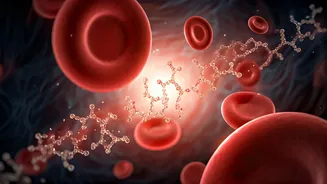
When the human body encounters a scarcity of oxygen, a condition known as hypoxia, it initiates a series of adaptive mechanisms to survive and function. A recent study, conducted using mice, has identified a particularly intriguing adaptation that seems to directly influence blood sugar levels. Researchers observed that in an environment mimicking high-altitude conditions with significantly reduced oxygen, red blood cells demonstrated an unusual behavior. Instead of utilizing glucose as their primary energy source, these cells began to absorb excess glucose from the bloodstream. This glucose was then transformed into a specific compound that aids in the efficient distribution of oxygen to bodily tissues, a critical function when oxygen is limited. This finding suggests a dual role for red blood cells: oxygen transport and active participation in glucose regulation, especially under hypoxic stress.
Unraveling the Mechanism
To rigorously investigate this potential link, scientists subjected one group of mice to an atmosphere containing only 8 percent oxygen, simulating high-altitude conditions, while a control group breathed air with the standard 21 percent oxygen. Following several weeks of exposure, both groups were administered glucose injections. The results were striking: mice from the low-oxygen environment exhibited significantly blunted glucose spikes, indicating a much more rapid processing of the sugar. This effect persisted even after the mice were returned to normal oxygen levels, suggesting that a more fundamental metabolic change had occurred. Upon delving deeper into the data, it became apparent that the observed reduction in blood glucose was not solely attributable to uptake by major organs like the liver or muscles. This discrepancy led the researchers to hypothesize that the blood cells themselves were playing a significant, previously underestimated, role in managing blood sugar.
Red Blood Cells Take Center Stage
Further experimentation confirmed the central role of red blood cells in this glucose-regulating phenomenon. Scientists found that when the red blood cell count was reduced in mice subjected to low oxygen, the glucose-lowering effect diminished. Conversely, increasing the concentration of red blood cells in normal mice led to a noticeable reduction in their blood sugar levels. Detailed tracking of glucose within the body revealed that red blood cells in low-oxygen conditions absorbed approximately three times more sugar than their counterparts in normal oxygen. This enhanced absorption was linked to higher levels of GLUT1, a protein crucial for facilitating glucose entry into cells. The absorbed glucose was then converted into a compound that binds with haemoglobin, thereby promoting the release of oxygen, which is vital during oxygen scarcity. This indicates that increased red blood cell activity, driven by low oxygen, directly translates to increased glucose utilization, consequently lowering blood glucose levels.
New Avenues for Treatment
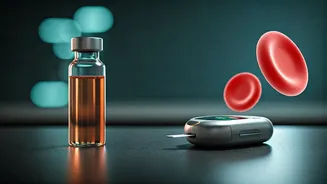
The insights gleaned from this research hold considerable promise for the development of novel strategies to manage diabetes. The findings suggest that manipulating the way red blood cells interact with glucose, particularly in low-oxygen conditions, could be a viable therapeutic target. Researchers have already begun exploring experimental drugs like HypoxyStat, which aims to mimic the effects of oxygen deficiency by influencing the interaction between haemoglobin and oxygen. However, the scientific community emphasizes that significant further research and testing are necessary before any such treatments can be safely considered for human application. This study fundamentally shifts the perspective on diabetes, moving beyond a sole focus on insulin to encompass the intricate relationship between oxygen availability and red blood cell function in blood sugar regulation.