






The Growing Orbital Threat
A significant and escalating problem in Earth's orbit is the proliferation of space debris, comprising everything from defunct satellites to fragments
from past space endeavors. This clutter poses a substantial risk, with experts raising alarms about the potential for a cascading effect known as Kessler Syndrome. This dangerous scenario suggests that collisions between objects would generate even more debris, thereby increasing the likelihood of further impacts and potentially rendering certain orbits unusable. Current estimates indicate that millions of objects larger than a centimeter and tens of millions of even smaller fragments are actively circulating in orbit, presenting a constant, albeit often unseen, hazard.
The Photographic Challenge
Despite the sheer volume of orbital debris, capturing it in photographs, especially from missions like Artemis II, is exceedingly difficult. The primary reason is that most of this space junk is minuscule, far too small to be discerned by the human eye, let alone clearly imaged by a camera. While there's a remote possibility of photographing a larger piece of debris, the circumstances would need to be exceptionally precise. The immense velocities at which both the spacecraft and the debris are traveling create a significant challenge for photography, making it incredibly hard to achieve a sharp, identifiable image. The odds of a clear photograph of space junk during such a high-speed transit are therefore exceptionally slim.
Location and Operational Constraints
Another critical factor influencing the absence of space junk in photographs is its typical location. The most concentrated areas of orbital debris are found within low Earth orbit, generally ranging from about 466 to 621 miles above our planet's surface. During the initial phases of a space mission, such as the launch and ascent of Artemis II, astronauts are intensely focused on executing critical flight operations and ensuring the spacecraft's trajectory. This intense focus leaves virtually no opportunity to divert attention or resources towards photographing external objects, especially those that are difficult to see. The sheer speed at which the spacecraft moves means that even larger debris would be challenging to identify, let alone photograph in detail, within a fleeting moment.
Astronaut Safety and Awareness
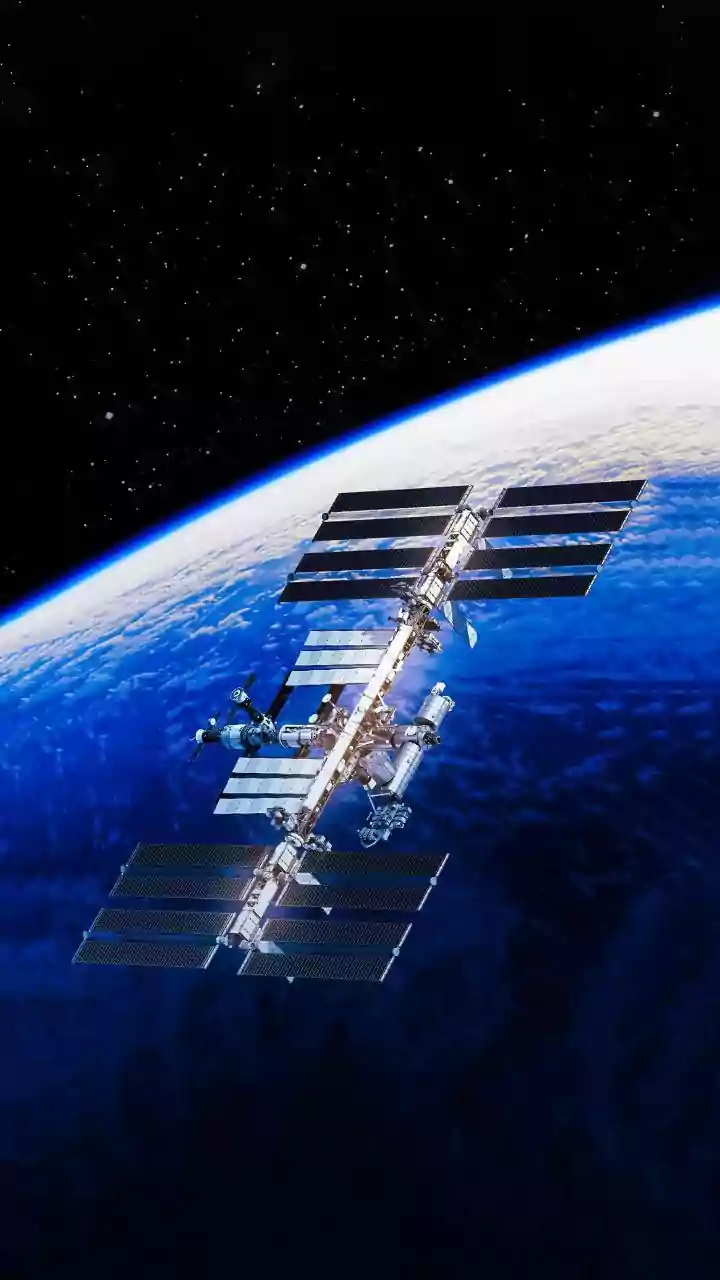
While space junk is notoriously difficult to capture on camera, it doesn't mean astronauts are completely oblivious to its presence. Facilities like the International Space Station regularly encounter minuscule debris particles. However, these spacecraft are engineered with robust protective systems capable of withstanding impacts from such tiny fragments, and the probability of a significant collision with larger objects remains relatively low. Advanced tracking systems are continuously employed during spaceflights to monitor potential hazards and ensure astronaut safety. While the issue of space debris is undeniably serious, it's important to remember that space is vast, and objects are dispersed across immense distances, meaning astronauts are not constantly surrounded by a dense field of debris.