






Pose Unveiled
Shilpa Shetty has been sharing a wealth of yoga knowledge through her Instagram, introducing her followers to various dynamic and beneficial poses. Her
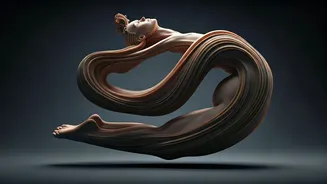
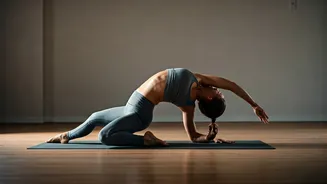
recent exploration focuses on Bala Parsva Bhuja Dandasana, affectionately known as the Baby Grasshopper Pose. This advanced arm-balancing posture is more than just a physical feat; it's a holistic practice designed to enhance both the body and mind. As Shetty aptly put it, "Hold steady… or try to," hinting at the dedication required to master it. Regular practice of this asana promises a range of advantages, from fortifying the upper body and core to improving spinal flexibility and even stimulating vital internal systems. The pose is lauded for its capacity to cultivate mental fortitude, sharpening focus and willpower, thereby contributing to overall resilience.
Benefits Explored
According to yoga expert Vamsi Krishna Gadwala, Bala Parsva Bhuja Dandasana is an advanced arm-balancing posture that offers profound benefits. It significantly strengthens the arms, wrists, and shoulders, providing a solid foundation for the pose. Crucially, it deeply engages and fortifies the core muscles, which is essential for stability and control. Beyond muscular development, the pose enhances balance and coordination, fostering a greater sense of body awareness. The twisting action inherent in the pose is known to stimulate the digestive organs, aiding in their optimal function. Furthermore, consistent practice cultivates mental discipline, improving focus and concentration, and bolstering willpower. This leads to enhanced mental stability and the development of both physical and mental resilience, preparing practitioners to better navigate life's challenges.
Foundational Steps
Approaching an advanced pose like the Baby Grasshopper requires a strategic and progressive method. For beginners aiming to safely integrate this posture into their practice, Gadwala suggests starting with foundational movements. Begin by practicing Malasana, also known as the yogic squat, to effectively open the hips, a crucial area for executing the pose. Following this, incorporating gentle spinal twists will enhance the mobility and flexibility of the spine, preparing it for the deeper engagement required. Building foundational strength in basic arm balances is also key; poses like Bakasana (Crow Pose) are excellent for developing the necessary arm and core power. Mastering these preparatory stages ensures a solid base, making the transition to more complex poses safer and more effective.
Scaling Up Safely
To gradually progress towards the full Baby Grasshopper Pose, practitioners can follow a series of scaling-up steps. Initiate from a squatting position, then twist your torso, placing the opposite elbow just outside your knee. This deepens the twist and prepares the body for the arm balance. Next, place both palms firmly on the ground beside your hips, distributing your weight evenly. Begin to cautiously shift your body weight forward over your hands. The next step involves lifting one foot at a time off the ground, maintaining the twist and the balance on your arms. The focus at this stage should be on engaging the core muscles for stability and balance, rather than striving for full extension of the legs. This incremental approach builds confidence and strength.
Advanced Progression
For those who have mastered the initial scaling steps, the advanced progression of the Baby Grasshopper Pose presents a greater challenge and reward. Starting again from the twisted squat, plant both palms on the mat with firm intention. Shift your weight forward more deliberately, using your core strength to lift both feet off the ground simultaneously. The subsequent move involves extending the legs out to one side, maintaining a precarious yet stable balance on your arms. Throughout this advanced stage, it's vital to keep the spine active and engaged, preventing it from collapsing. Maintaining a steady gaze forward (drishti) aids in concentration, and a consistent, steady breath is paramount for sustaining the pose and ensuring control.
Key Do's and Don'ts
Practicing Bala Parsva Bhuja Dandasana requires careful consideration of safety precautions to avoid injury. It is strongly advised to avoid this posture if you have any pre-existing conditions such as wrist, shoulder, elbow, or lower back injuries, as these areas are heavily engaged. Always begin with a thorough warm-up that mobilizes the wrists, shoulders, hips, and spine to prepare the body for the demands of the pose. Crucially, do not attempt to jump into the pose; it is an advanced arm balance that necessitates a gradual and patient progression. Ensure your core is actively engaged throughout the practice; this protects your joints and prevents undue stress on your shoulders. For beginners, practicing under the guidance of a qualified yoga instructor is highly recommended. Additionally, pregnant practitioners or those managing high blood pressure should steer clear of deep twists like this pose.