






Strong Women's Stigma
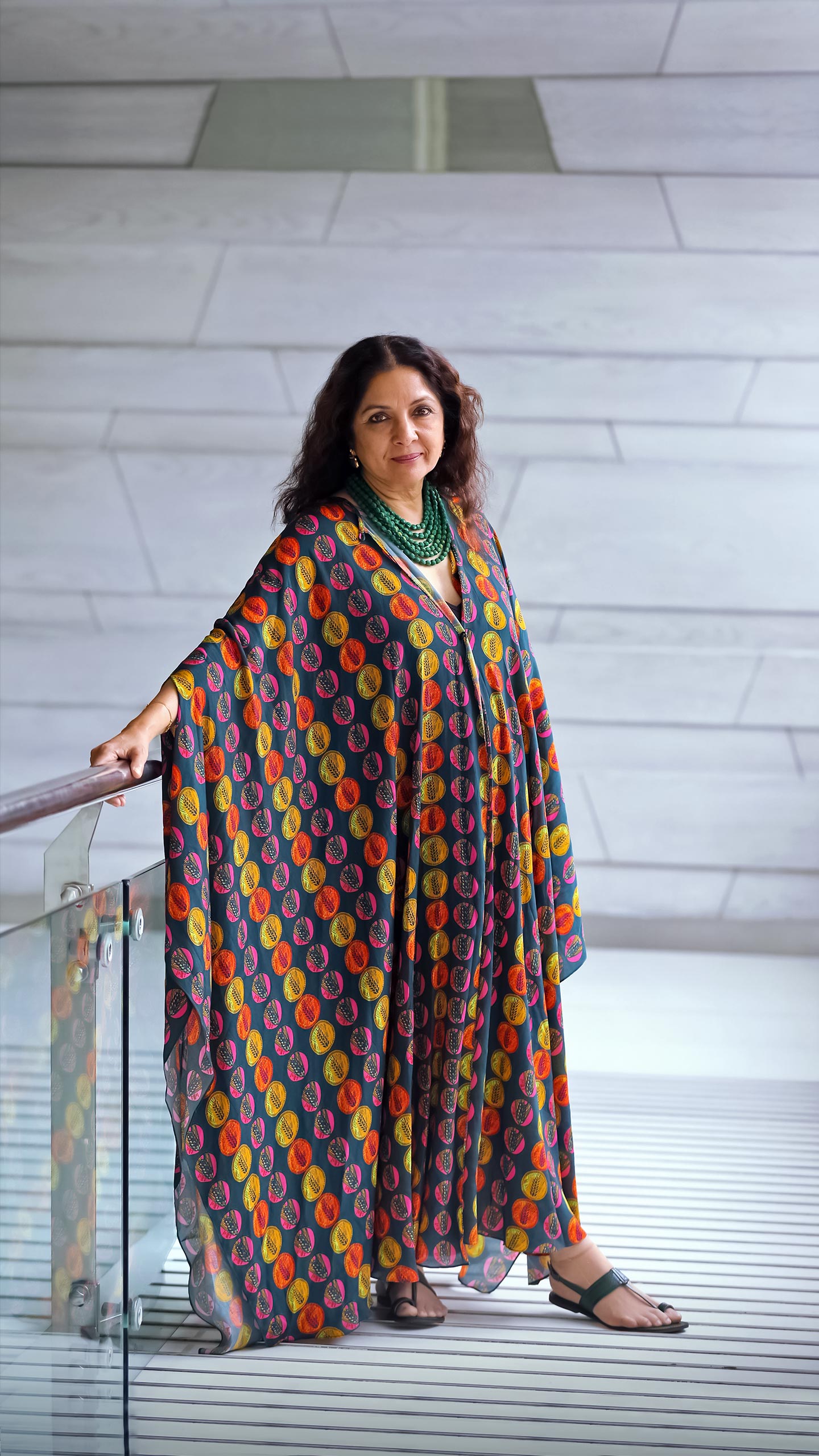
Neena Gupta's observations on why "strong" women are still perceived as less desirable for marriage provide a lens through which to examine ingrained societal
views. The notion that women who possess strength, independence, and self-assurance might somehow be "unsuitable" is a reflection of deeper societal biases. Traditionally, expectations around marriage have often centered on women conforming to particular roles, such as being primarily caregivers or emotionally dependent. When a woman defies these expectations, whether by her professional achievements, her emotional resilience, or her outspoken nature, it can be seen as a challenge to established norms. This perception isn't always overt; it can manifest subtly in the form of unspoken judgments, questioning of their femininity, or presumptions that they will be "difficult" to manage. The societal framework often struggles to reconcile the image of a strong, independent woman with traditional marital roles.
Societal Expectations Unpacked
The underlying expectation within many societies is that women must either seek, desire, or require a man for their validation and success, which often results in less freedom. When a woman is deemed self-reliant, financially secure, and emotionally stable, she may be perceived as "needing" a man less. This can be interpreted by some as a lack of desire or a lesser interest in marriage, hence a perceived unsuitability for matrimony. Further, social conditioning often fosters the idea that men should be the dominant figure in a relationship and that women should be submissive. Strong, self-assured women may be viewed as challenging this dynamic, which can make some men uncomfortable. This also ties into traditional gender roles where men are expected to be the breadwinners and women the homemakers. Women who surpass these roles may be considered "too much" for some, regardless of their other qualities.
Hidden Costs in Intimacy
The price strong women pay in intimate relationships is often subtle but significant. They may find their boundaries tested constantly, their independence misconstrued, or their desires overlooked. A woman's strength may lead to her partners unintentionally downplaying her emotional needs or perceiving her as someone who doesn't require support. This can manifest in various ways, such as a partner not offering emotional support when needed, a constant push for her to conform to others' demands, or an assumption that she will always be the one to 'hold it together'. Moreover, these women may feel compelled to consistently explain and validate their choices, which leads to feelings of isolation and exhaustion. The constant need to defend her space and choices in a relationship can erode intimacy and emotional connection. The ability to express vulnerability and seek support becomes crucial, yet it can be difficult for strong women, as they may fear being perceived as weak or inadequate.
Navigating Relationships Better
For strong women seeking fulfilling relationships, conscious navigation becomes critical. It starts with self-awareness: recognizing their needs, boundaries, and communication style. Clear articulation of needs and boundaries is paramount in establishing a foundation of respect and mutual understanding. This may involve having direct conversations about what they value in a relationship, and what they will not tolerate. The goal is to set the tone for the relationship from the beginning. Choosing partners who genuinely appreciate their strength and independence is vital. A partner who respects them for who they are, rather than trying to change them, can foster mutual growth and support. Creating a space where vulnerability is safe and reciprocal is essential. Acknowledging that asking for help and displaying vulnerability isn't a sign of weakness, but a sign of genuine connection, is crucial for fostering lasting, emotionally rich relationships. This approach allows strong women to find supportive partners who celebrate their strength.