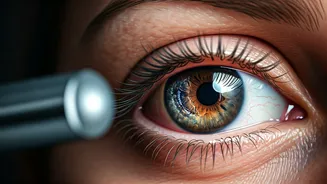








Body's Signals to Eyes
The intricate connection between our overall physical well-being and eye health is profound. When the body is not adequately hydrated, the production of natural
tears can significantly decrease, leaving the ocular surface vulnerable. Similarly, insufficient or poor-quality sleep negatively impacts the meibomian glands responsible for secreting the oily layer of the tear film, which is crucial for preventing rapid evaporation. Beyond hydration and rest, dietary deficiencies, particularly a lack of essential nutrients like Vitamins A and D, along with omega-3 fatty acids, can impair the eye's surface health. Uncorrected vision problems also force the eye muscles into overdrive as they struggle to focus, leading to strain, irritation, and general fatigue. These internal factors often precede or exacerbate external eye discomfort, highlighting the importance of holistic health practices for maintaining clear and comfortable vision.
The Dry Eye Epidemic
Dry eye syndrome has escalated into a global health concern, impacting a substantial portion of the population. Medical professionals define this condition as a dual problem: either the eyes fail to produce enough tears to adequately lubricate the surface, or the tears that are produced evaporate far too quickly. It's important to understand that tears are a complex biological fluid, not merely water; they are composed of a precise balance of oils, mucus, and protective proteins. This intricate composition is vital for maintaining a smooth eye surface and fending off infections. When this delicate equilibrium is disrupted, irritation and a persistent dry, gritty sensation ensue. Ophthalmologists emphasize that the triggers for dry eye are diverse and extend beyond excessive screen usage, encompassing environmental factors, certain medications, hormonal fluctuations, and the natural aging process, explaining why many individuals experience symptoms despite limited digital screen exposure.
Blinking's Vital Role
The act of blinking, often performed subconsciously, is a cornerstone of ocular health. Each involuntary blink serves to evenly distribute the tear film across the entire surface of the eye, ensuring consistent moisture and clarity. However, during periods of intense concentration or focused visual tasks, such as engrossed reading, intricate stitching, prolonged writing, or extended driving, the natural frequency of blinking tends to decrease significantly. This reduction in blinking allows the tear film to break down unevenly, creating dry patches on the cornea. Consequently, feelings of irritation and discomfort can arise even during activities that do not involve any digital devices, underscoring the fundamental importance of maintaining an adequate blinking rate for comfortable vision.
Allergies and Eye Strain
Seasonal allergies manifest in ways far beyond the typical sneezing fits and runny noses. They frequently become a significant source of ocular irritation. Exposure to common allergens like pollen, dust mites, mold spores, or even pet dander can trigger a cascade of inflammation within the delicate tissues surrounding the eyes. This inflammatory response often leads to hallmark symptoms such as persistent itching, noticeable redness, excessive watering, and general discomfort. Many individuals mistakenly attribute these eye-related symptoms to simple tiredness or eye strain from daily activities, overlooking the actual underlying cause which may be environmental allergies present in their surroundings, impacting their visual comfort.
Indoor Air Quality Matters
The quality of the air within our modern indoor environments has undergone a significant transformation. Homes, offices, and vehicles increasingly rely on air conditioning and mechanical ventilation systems. While these systems provide climate control, they also tend to reduce ambient humidity, thereby accelerating the evaporation of the tear film from the eye's surface. Compounding this issue, common indoor pollutants and airborne dust particles introduce further irritants. Research indicates that these indoor air contaminants, combined with dry air, can significantly irritate the eyes, exacerbating symptoms like redness and itchiness. In urban centers with persistently high levels of outdoor pollution, the eyes' natural protective mechanisms are constantly challenged to maintain hydration and comfort against these environmental assaults.
Holistic Eye Care Habits
Eye specialists consistently observe that eye discomfort, particularly dryness and irritation, rarely stems from a single isolated cause. Instead, it typically arises from a confluence of lifestyle choices and environmental exposures. Acknowledging this complexity, ophthalmologists like Dr. Upasana Khanna from Asian Hospital emphasize that while excessive screen time is a commonly cited culprit, individuals with minimal digital device usage can also experience these symptoms. She points to inadequate hydration, poor sleep patterns, nutritional gaps, and the impact of environmental factors like air conditioning and pollution as significant contributors. Moreover, infrequent blinking during focused visual tasks and unmanaged allergies can further aggravate the condition. She highlights that dry eye syndrome, characterized by insufficient tear production or rapid tear evaporation, is a prevalent issue, often worsened by everyday external influences. Regular eye check-ups are crucial, as persistent irritation might signal underlying vision issues or chronic dry eye disease that requires professional management.