







Rising Stroke Incidence
A concerning trend has emerged in India, with stroke cases among individuals aged 20 to 45 experiencing a dramatic 2.3-fold escalation between 2021 and
2025. This demographic, previously less associated with strokes, now represents a growing proportion of total cases, increasing from 12% to 17.8%. In absolute terms, this translates to an increase from 290 to 690 cases within this age bracket over a five-year span. This indicates a fundamental shift, suggesting strokes are no longer solely a concern for older populations but are increasingly impacting those in their prime working years. The implications for personal finance are substantial, as treatment and rehabilitation can impose a significant financial burden.
Insurance Gaps Exposed
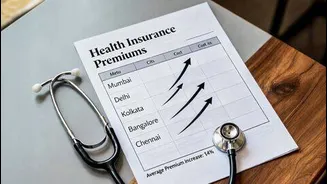
The financial fallout from these strokes is amplified by a widespread inadequacy in insurance coverage. Data indicates that a significant percentage of young stroke patients were either completely uninsured or severely underinsured at the time of diagnosis. Specifically, between 49% and 54% had no insurance whatsoever, while an additional 24% to 28% possessed coverage below ₹5 lakh. This leaves approximately 74% to 79% of younger patients financially under-protected, forcing nearly four out of every five families to heavily depend on out-of-pocket expenses. Even for those with some insurance, the median financial shortfall often ranged from ₹2.5 lakh to ₹5 lakh, highlighting how partial coverage frequently fails to encompass the full spectrum of recovery needs and ongoing care.
Income Disruption Fallout
The financial strain extends beyond direct medical expenses, significantly impacting household income. A notable increase has been observed in the proportion of young stroke patients who are the primary earning members of their families. In 2025, this figure stood at 64%, up from 57% in 2021, underscoring the direct link between a health crisis and an income shock for many households. This trend is particularly pronounced in the 30-39 age group, which has seen the fastest growth, though the 40-45 segment continues to represent the largest share of cases. Even the 20-29 age bracket has witnessed a more than threefold increase, albeit from a smaller initial base, indicating a broad-based vulnerability across younger working adults.
Recovery Pathways & Costs
The path to recovery significantly influences both the duration of lost income and the overall financial outlay. Hospital-based rehabilitation typically leads to a considerable loss of workdays, ranging from 85 to 125 days. In contrast, a structured home-based rehabilitation program offers a marked improvement, reducing lost workdays to between 55 and 82 days, representing a 28% to 35% enhancement in recovery speed. Furthermore, some patients benefit from resuming work through hybrid or remote arrangements. The cost implications are also substantial. Over a three to six-month recovery period, hospital rehabilitation can incur total costs of ₹7 lakh to ₹15 lakh, with out-of-pocket expenses between ₹4 lakh and ₹9 lakh. Home rehabilitation, however, costs ₹3 lakh to ₹6.5 lakh in total, with out-of-pocket expenses ranging from ₹1.5 lakh to ₹3 lakh. This signifies potential savings of 40% to 55% in total recovery costs, coupled with a quicker return to earning capacity.
Personal Finance Concern
The accumulating evidence points to a significant shift in personal finance concerns, as serious health risks increasingly affect individuals during their peak earning years. This is a critical period when financial responsibilities, such as mortgages, childcare, and long-term savings, are typically at their highest. The confluence of rising stroke incidence among the young, coupled with high treatment expenditures and pervasive underinsurance, creates a considerable vulnerability for households. This situation underscores an urgent need for greater health coverage, more robust financial planning strategies, and a heightened awareness of the long-term financial implications and costs associated with stroke recovery and rehabilitation.