






The 'Gym Face' Phenomenon
A common observation among fitness enthusiasts and those who have undergone substantial weight reduction is a temporary loss of facial luminosity, often
referred to as 'gym face.' While exercise typically enhances circulation, leading to a post-workout radiance, specific training regimens and physiological responses can paradoxically result in skin that appears tired, lackluster, or even ashen. This transient state of dullness, puffiness, or a fatigued look can stem from rapid weight loss, prolonged muscle tension, or dehydration due to perspiration. Yamini Jain, a prominent mom influencer, shared her personal experience after shedding 27 kgs over a dedicated period of home workouts. Upon transitioning to gym-based toning exercises, she observed this dullness, alongside a decline in sleep quality, prompting an investigation into its causes.
Cortisol: The Stress Hormone Connection
The influencer's experience highlighted a key culprit: elevated cortisol. When engaging in strenuous activities like heavy weightlifting or high-intensity interval training (HIIT), the body perceives these as stressors, activating the Hypothalamic-Pituitary-Adrenal (HPA) axis. This system signals the adrenal glands to release cortisol, a hormone vital for providing energy by prompting the liver to produce glucose and breaking down muscle or fat for fuel. The extent of cortisol release is directly proportional to the intensity and duration of the workout. Research indicates significant spikes in cortisol when exceeding approximately 60% of one's VO2 max or performing high-volume resistance training with minimal rest between sets. This hormonal surge, especially when prolonged without adequate recovery, can negatively impact skin's vitality.
How Cortisol Affects Skin
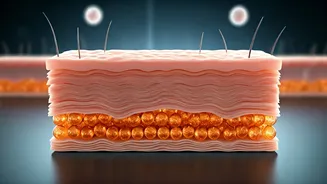
Sustained high levels of cortisol, a direct consequence of frequent, demanding exercise without sufficient recovery periods, can lead to a noticeable decrease in blood flow to the skin. This reduced circulation is what contributes to the pale or greyish hue often seen in 'gym face.' Furthermore, elevated cortisol can trigger water retention by causing the body to hold onto sodium, which subsequently leads to increased fluid accumulation. This can manifest as puffiness, particularly in the face and midsection, exacerbating the dull appearance. For individuals in their late twenties and thirties, maintaining a stress-free state is increasingly important for overall health, and avoiding pushing bodily limits excessively is crucial to prevent these negative physiological responses.
Restoring Radiance: Prevention Strategies
To counteract the effects of 'gym face' and maintain skin's healthy glow, prioritizing adequate rest and recovery is paramount. Cortisol levels naturally reset and decrease during periods of deep sleep. Neglecting sleep after intense workouts can leave cortisol elevated, contributing to a flat, dull complexion the following day. Incorporating dedicated rest days into a fitness routine is not an indicator of inactivity but rather a crucial element for recovery. These rest periods allow muscles, joints, and the brain to repair, reducing the risk of injury, preventing muscle fatigue, and ultimately enhancing overall performance and sleep quality. The influencer shifted to a balanced routine of four gym days per week, supplemented with walking on other days, and made sleep improvement a priority, finding that this approach significantly enhanced her enjoyment of workouts.