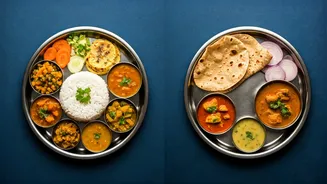




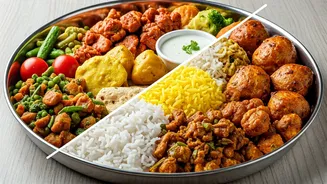
Thali Costs Diverge
In March 2026, a noticeable divergence in the cost of home-prepared meals was observed, with non-vegetarian thalis becoming slightly more affordable. Specifically,
the expense associated with a non-vegetarian thali saw a one percent decrease year-on-year. Conversely, the price point for a vegetarian thali remained remarkably consistent, showing no significant change over the same period. This economic phenomenon can be attributed to a complex interplay of ingredient price movements. While the costs of essential staples such as onions, potatoes, and various pulses saw a downward trend, this was effectively counterbalanced by increasing expenditures on items like tomatoes, vegetable oil, and fuel. The Crisil Intelligence 'Roti Rice Rate' report meticulously tracks these shifts, basing its calculations on input prices from across India's diverse regions to provide a comprehensive view of domestic food economics and their impact on household budgets.
Vegetarian Thali Dynamics
The stability in the cost of a vegetarian thali, despite broader economic shifts, was largely dictated by a dramatic surge in tomato prices. Year-on-year, the cost of tomatoes escalated by a significant 33 percent in March 2026, climbing from ₹21 per kilogram in March 2025 to ₹28 per kilogram. This sharp increase was primarily a consequence of delayed agricultural activities in major tomato-producing states like Karnataka and Andhra Pradesh. These delays hampered crop development, reduced overall yield, and consequently affected the timely availability of tomatoes in the market. While other vegetable and pulse prices might have seen reductions, the substantial rise in tomato costs played a pivotal role in keeping the overall price of a vegetarian thali from declining, thus maintaining its cost equilibrium throughout the period under review.
Onions and Potatoes Dip
In stark contrast to the rising tomato prices, the cost of onions experienced a considerable decrease, falling by 25 percent year-on-year. This price reduction was a direct result of an abundant supply, stemming from the overlap between late Kharif harvests and the ongoing Rabi season produce. Furthermore, weakened export demand contributed to this surplus, forcing farmers into distress sales due to the limited storage life of late Kharif onions. Similarly, potato prices also saw a downward trend, decreasing by 13 percent year-on-year. This decline was attributed to subdued demand from the hospitality sector, including hotels and restaurants, coupled with a general effort to liquidate existing stock. These significant drops in staple vegetable prices were key factors influencing the overall cost of meals.
Fuel and Oil Influence
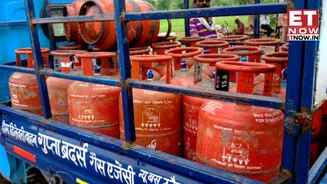
While certain food items became cheaper, the overall reduction in thali costs was somewhat curtailed by an increase in the prices of essential commodities like vegetable oil and cooking fuel. Global supply chain disruptions contributed to a six percent rise in vegetable oil prices. Concurrently, the cost of liquefied petroleum gas (LPG) cylinders, a primary cooking fuel for many households, saw a substantial 14 percent increase. These rising energy and cooking medium costs acted as a significant counteracting force, mitigating the potential savings that consumers might have otherwise realized from the lower prices of vegetables and pulses. Therefore, the net effect on the total cost of preparing meals was a delicate balance between falling produce prices and increasing fuel expenses.
Non-Veg Thali Support
The primary driver behind the one percent year-on-year decrease in the cost of a non-vegetarian thali was the reduction in broiler prices. These prices dropped by an estimated two percent compared to the previous year, which is a significant factor given that broilers constitute approximately 50 percent of the overall cost of a non-vegetarian meal. This price decrease occurred on a high base, meaning that last year's prices were already elevated, making the current reduction more impactful. On a month-on-month basis, the price trend for both vegetarian and non-vegetarian thalis showed a decline, with vegetarian thalis decreasing by three percent and non-vegetarian thalis by two percent, indicating a more immediate, short-term easing of costs.
Pulse Price Declines
The downward trajectory in food prices also extended to pulses, which saw a collective six percent decrease. This reduction is largely attributed to robust opening stock levels from previous harvests. Specifically, inventories for Tur, a popular lentil, were estimated to be 20 percent higher for the July-June marketing year. Similarly, Bengal gram stocks for the January-December marketing year were approximately 10 percent higher this season. These substantial carry-over stocks exerted considerable downward pressure on pulse prices, making them more affordable. This factor, along with the falling prices of onions and potatoes, contributed to the overall reduction in food expenses for many households during March 2026.