




Khandeshi Spice Legacy
The culinary heritage of Khandesh is a testament to a rich history, deeply influenced by the Faruqi monarchs' renowned fondness for spices and the enduring
impact of the Mughal Empire. This historical connection is palpable in the frequent use of luxurious ingredients like saffron, cinnamon, and cardamom, which imbue Khandeshi dishes with their characteristic warmth and complexity. Furthermore, the robust and bold flavors characteristic of the Maratha Empire have significantly shaped many traditional recipes, contributing to the cuisine's assertive taste profile. At the heart of many celebrated Khandeshi specialties lies goat meat, prepared in a variety of ways, from succulent kebabs to deeply flavored curries and aromatic biryanis, showcasing the region's profound connection to its agricultural and cultural roots through its most iconic dishes.
Tuluva's Coastal Delights
Dominating the non-vegetarian culinary scene, Tuluva cuisine is an integral part of the broader Mangalorean food tradition. It boasts a repertoire of signature dishes such as the crunchy Kori Rotti, the tangy Bangude Pulimunchi, the delicate Neer Dosa, the intensely flavored Chicken Sukka, and the unique Patrode. A defining characteristic of Tuluva cooking is the prominent use of coconut oil for tempering and the incorporation of freshly ground spice blends. The distinctive 'sukka' preparation method is particularly noteworthy; it involves slow-cooking meat, seafood, or vegetables with a mixture of roasted coconut and aromatic spices until a semi-dry consistency is achieved, resulting in dishes that are both rich in texture and profound in their spicy, complex flavors.
Kumaoni Mountain Flavors
Nestled in Uttarakhand's Kumaon region, renowned for its breathtaking snow-capped peaks and serene valleys, lies a culinary tradition that often remains elusive to the casual traveler. While North Indian, Continental, and Chinese dishes are commonplace in most tourist establishments, the authentic taste of Kumaoni cuisine thrives in local eateries and homestays. To truly experience the essence of this region's food, one must venture out and explore its 'pahadi' (mountain) dishes. These meals are celebrated for their emphasis on fresh, locally sourced ingredients and their genuine, unpretentious, rustic flavors, offering a delightful departure from mainstream culinary offerings and a true taste of the Himalayas.
Mappila's Kerala Blend
Mappila cuisine presents a fascinating fusion, artfully combining indigenous Kerala dishes with influences from Arab and Middle Eastern culinary traditions. The undisputed highlight is the Tellicherry Biryani, a preparation that distinguishes itself significantly from Mughlai biryani, demanding precise techniques and careful execution. Another fundamental element of Mappila cuisine is Pathiri, a paper-thin rice flatbread, while Puttu, often layered with delectable meat or seafood fillings, is a beloved staple across Kerala. The foundational ingredients for many Mappila specialties are rice and coconut, which form the base for dishes like Muttu Sirka. This dish features crispy, deep-fried rice and egg pancakes, traditionally served alongside a spicy, scrambled egg preparation, offering a uniquely hearty and flavorful experience of this rich cultural cuisine.
Kathiawadi's Fiery Twist
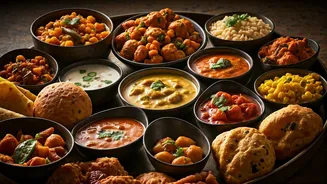
While Gujarati snacks like dhokla, thepla, and khandvi have earned global acclaim for their delightful tastes, the heartier and more robust side of Gujarat's cuisine, particularly its thalis, often goes unnoticed. A standout among these is the Kathiawadi thali, hailing from the Kathiawar peninsula in western Gujarat. This regional variant is recognized as the spicier counterpart to the standard Gujarati thali, characterized by a more generous application of onions and garlic. Unlike the typical Gujarati thali that often includes Aam Ras, Kathiawadi thalis customarily commence with the refreshing presence of buttermilk or lassi, setting a distinct tone for the meal.
Dogri's Dairy Delights
The Dogras, an Indo-Aryan community with a long history in both India and Pakistan, predominantly inhabit the Jammu region of Jammu and Kashmir, along with adjacent areas of Punjab, Himachal Pradesh, and northeastern Pakistan. Their language is Dogri, and their cuisine is built upon a foundation of wholesome grains, fresh vegetables, and dairy products derived from their own livestock. Milk and its derivatives, such as curd (known locally as dahi or matha), refreshing lassi, cheese, butter, and ghee, are central to their dietary practices. Staple foods like pahadi or Jammu rajma (red kidney beans), the tangy anardana (pomegranate seeds), and aromatic basmati rice form the core of Dogri culinary identity, reflecting their agrarian lifestyle and regional resources.
Garo's Forest Bounty
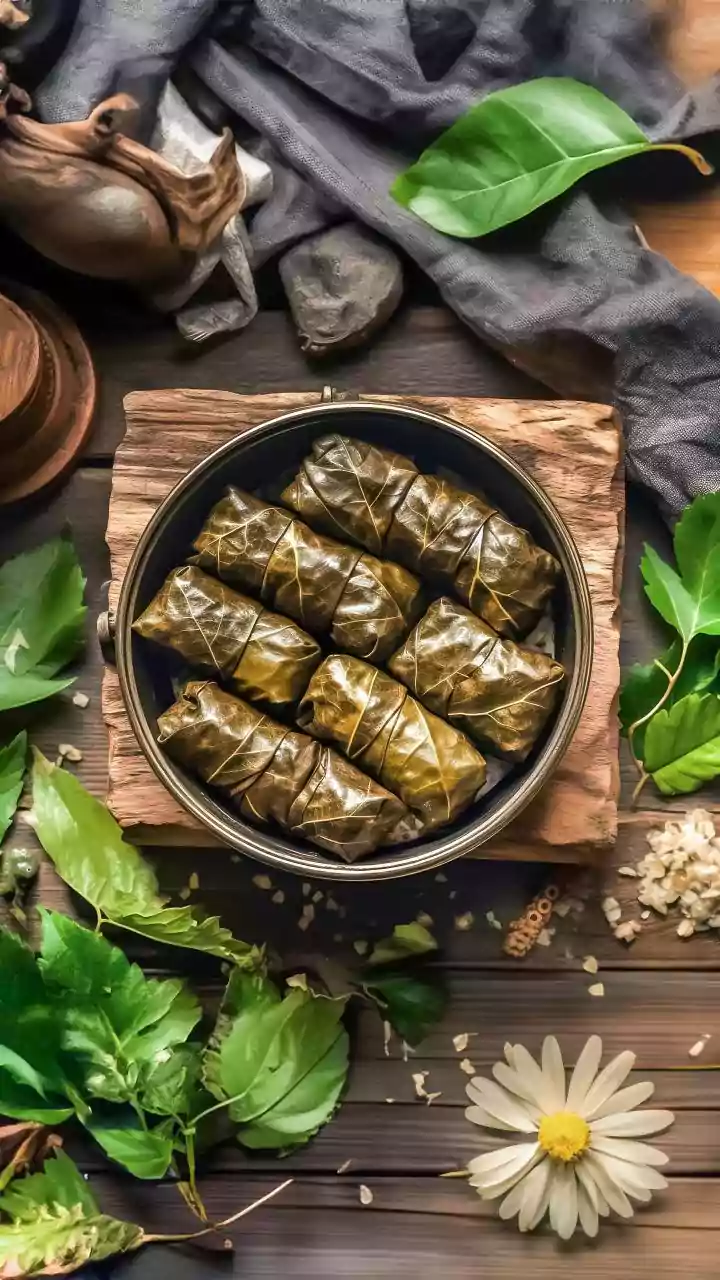
As Meghalaya's second-largest tribal group, the Garos possess a varied cuisine that centers on staple crops like rice, millet, maize, and tapioca. Meat, predominantly chicken, pork, and fish, plays a vital role in their diet, further enhanced by the inclusion of delicacies such as crabs, eels, and dried fish. Their traditional 'jhum' cultivation and the surrounding forests provide a rich source of vegetables, edible roots, and bamboo shoots, while indigenous medicinal herbs are often incorporated to add unique flavors and health benefits to their dishes. Garo meals are typically prepared through boiling or steaming and are commonly served with an assortment of side dishes, including green beans, eggplant, or sticky rice wrapped and cooked within banana leaves.
Kodava's Tangy Secret
In the southern Karnataka town of Coorg, a distinctive souring agent named Kachampuli is a hallmark of Kodava cuisine. This culinary tradition places a strong emphasis on utilizing ingredients that are both local and in season, with Coorg's verdant forests and expansive paddy fields ensuring a consistent availability of fresh produce throughout the year. Foraging is a deeply ingrained practice in the region, and Kachampuli plays a significant role in crafting signature dishes like the widely acclaimed Pandi Curry. Beyond its signature tangy flavor, Kachampuli is also recognized for its potential health benefits, including aiding digestion, possibly acting as an appetite suppressant, and sometimes being employed as a component in weight management strategies. It can be used fresh or reconstituted after soaking, prepared much like tamarind, making it a versatile and indispensable ingredient within Kodava kitchens.