





Decoding SPF: What It Is
SPF, or Sun Protection Factor, indicates how long it takes for UVB rays to redden the skin when using sunscreen compared to not using any. For example,
if you typically start to burn in 10 minutes without protection, an SPF 15 sunscreen would theoretically allow you to stay in the sun 15 times longer, or about 150 minutes, before burning. However, this is an oversimplification, as factors like skin type, intensity of the sun, and the amount of sunscreen applied can significantly alter the actual protection received. It's crucial to understand that SPF primarily measures protection against UVB rays, which are the main cause of sunburn and contribute to skin cancer, but it doesn't offer the complete picture of sun protection.
The SPF 100 Myth
The allure of SPF 100 is understandable; it sounds like the ultimate defense against the sun's damaging rays. However, the difference in protection between SPF 30 and SPF 50 is more substantial than the difference between SPF 50 and SPF 100. While SPF 30 blocks approximately 97% of UVB rays, SPF 50 blocks around 98%. SPF 100, on the other hand, blocks about 99% of UVB rays. The incremental gain in protection diminishes significantly as the SPF number increases. This means that using SPF 100 doesn't offer drastically superior protection compared to a lower, yet still effective, SPF. Furthermore, the higher the SPF, the more likely the product may contain a higher concentration of chemical filters, potentially leading to a greater chance of skin irritation or sensitivity for some individuals.
Beyond the SPF Number
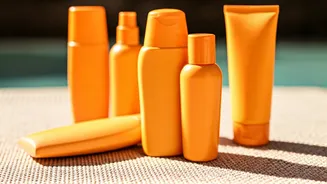
Sunscreen's effectiveness isn't solely determined by the SPF number. Important factors include the appropriate application of sunscreen and its reapplication. No sunscreen, regardless of its SPF, is fully effective if it is not applied liberally and evenly to all exposed skin. It's recommended to apply a generous amount of sunscreen about 15-20 minutes before sun exposure, and to reapply it every two hours, or more frequently if swimming or sweating. Moreover, consider the type of sunscreen; broad-spectrum sunscreens are essential because they shield against both UVB and UVA rays, where UVA rays contribute to skin aging and skin cancer. The texture of the sunscreen is also worth noting; options include lotions, creams, gels, and sprays, depending on skin type and preference. The best sunscreen is the one used consistently.
Sunscreen and Sun Safety
Sunscreen is only one element of a comprehensive sun protection strategy. Seeking shade, particularly during peak sun hours (typically between 10 a.m. and 4 p.m.), minimizes direct sun exposure. Wearing protective clothing, such as long sleeves, pants, and wide-brimmed hats, provides an added layer of defense. Sunglasses with UV protection safeguard the eyes and surrounding skin. Regular skin examinations by a dermatologist or self-exams can detect any changes in moles or new growths that could indicate skin cancer. Taking these proactive steps, in addition to using sunscreen, dramatically reduces the risk of sun damage and its associated health problems, ensuring a holistic approach to skin health.