
Budget 2026 Overview
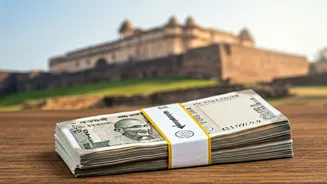
The Union Budget 2026 has placed considerable emphasis on the development and promotion of cultural tourism across India. This focus highlights a strategic
shift towards leveraging the country's rich heritage to attract both domestic and international visitors. This strategy is expected to boost economic growth and cultural awareness. The budget's specific provisions outline investments in various areas, including infrastructure development at historical sites, preservation of monuments, and initiatives to support local arts and crafts. Moreover, it includes provisions for enhanced marketing and promotion of India's cultural offerings on a global scale. This proactive approach aims to create a more attractive and accessible environment for tourists, while also ensuring the long-term preservation of India's cultural treasures. The allocation of funds reflects a commitment to creating sustainable tourism models, which benefit local communities and contribute to the broader national development goals.
Cultural Tourism Initiatives
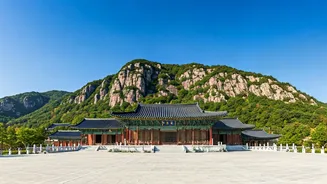
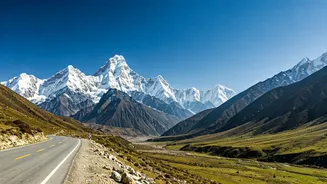
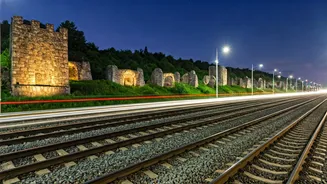
Several key initiatives have been highlighted within the Budget 2026 to foster cultural tourism. These include upgrading existing historical sites with enhanced amenities to create a more immersive experience for tourists. Infrastructure developments, such as improved transportation links to significant cultural locations, are also on the agenda. The government is also planning special programs to support the crafts and performing arts, which will help local artisans and artists. Furthermore, the budget emphasizes the importance of preserving and restoring ancient monuments, ensuring they are accessible for future generations. Digital initiatives are incorporated to promote cultural destinations through virtual tours and online platforms to create global awareness. This comprehensive approach aims to ensure that cultural tourism not only flourishes but also becomes a sustainable source of income and cultural preservation for India. All these actions are focused on providing a comprehensive travel experience for both international and national tourists.
Comparison to Previous Budgets
When the Union Budget 2026 is compared to previous financial plans, a clear evolution in the approach to cultural tourism emerges. Earlier budgets often included smaller, isolated projects rather than a unified, comprehensive plan. However, the current budget reflects a strategic shift towards integrated strategies. Earlier budgets' initiatives were focused on particular regions, whereas the current budget displays a broader approach. The earlier initiatives involved minimal marketing and promotion, and now the focus has broadened to include the latest technological advancements to promote cultural destinations. This comparative analysis shows the government's growing commitment to cultural tourism, indicating a deliberate move towards a more holistic, forward-thinking approach. The evolution of budgetary allocations mirrors the increasing recognition of cultural tourism's importance to economic and social development across the nation.
Impact and Future Prospects
The implications of Budget 2026 for cultural tourism are considerable, with expectations that the increased investments will significantly enhance the travel experience for visitors. These improvements will create fresh opportunities for economic growth within the tourism sector and provide jobs for local people. The emphasis on cultural preservation and the promotion of Indian arts and crafts will aid in safeguarding the nation's heritage for future generations. Furthermore, the budget's attention to digital promotion will increase the worldwide visibility of Indian cultural destinations. However, the success of these programs relies on careful implementation, strategic partnerships, and community involvement. It is believed that cultural tourism has the potential to enhance India's global reputation as a premier destination. The budget's focus provides a positive outlook for the future of cultural tourism in India, setting the stage for a period of robust expansion and cultural conservation.