


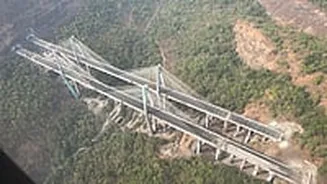
A New Artery Emerges
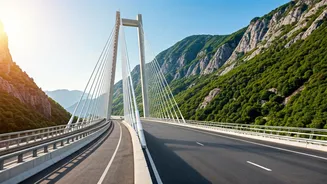
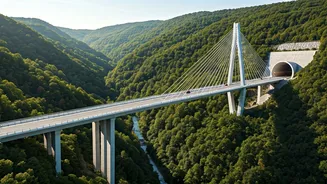
The Mumbai-Pune Expressway, a critical transport route for Maharashtra's economic hubs, is undergoing a monumental upgrade with the completion of its 'Missing
Link'. This ambitious project introduces a 13.3-kilometer stretch that bypasses the treacherous ghat section. The star attraction is India's longest twin-tube road tunnel, a marvel of engineering costing Rs 8,000 crore. This bypass is specifically designed to alleviate the notorious congestion and sharp turns that plague the ghats, especially during the monsoon season, promising a smoother and more direct passage between the two major cities. The existing expressway stretch from Khopoli exit to Sinhgad Institute, currently over 19 km, will be reduced by approximately six kilometers, directly translating to significant time savings.
Enhanced Speed and Safety
With the advent of this new infrastructure, discussions are underway to potentially revise the speed limits, which currently stand at 100 kmph for light motor vehicles and 80 kmph for heavy vehicles on the existing expressway. The advanced design of the tunnel and the overall link might warrant adjustments to optimize traffic flow and safety. The Maharashtra Highway Police are bolstering safety protocols, implementing sophisticated surveillance networks, including an array of speed cameras and advanced emergency response infrastructure. The Missing Link itself features an 8-lane configuration, with each corridor offering four lanes plus an additional shoulder lane, a notable improvement over the expressway's standard three lanes. This configuration aims to manage higher traffic volumes more efficiently.
Tunneling into Innovation
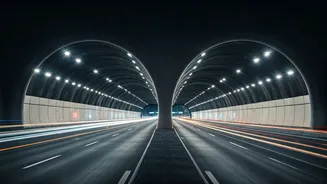
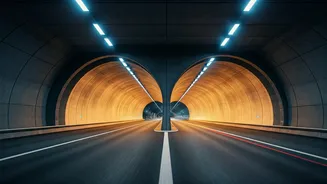
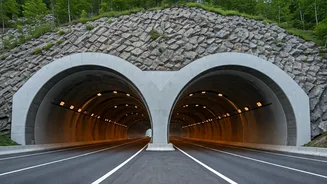
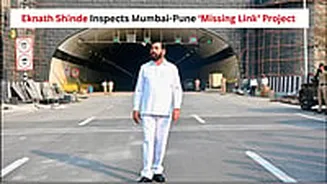
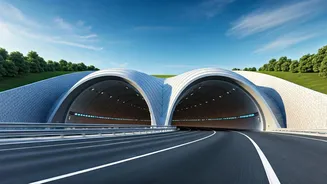
The 'Missing Link' project proudly features a 1.7-kilometer twin-tube tunnel, a testament to modern engineering prowess. This tunnel is engineered to accommodate high-speed traffic and is equipped with a comprehensive suite of state-of-the-art safety amenities. These include advanced fire detection and suppression systems, efficient ventilation to maintain air quality, and strategically placed emergency exits to ensure swift evacuation if required. The overarching goal of this entire development initiative is to forge a travel experience that is not only faster but also inherently seamless and highly efficient for all users navigating this vital corridor.
Cutting Travel Time
The full operationalization of the 'Missing Link' is projected to dramatically reduce the travel duration between Mumbai and Pune by a minimum of 30 minutes. This substantial time saving is poised to be an immense benefit for a wide spectrum of travelers, including daily commuters, business professionals, and the logistics sector. The anticipated boost in connectivity and efficiency is expected to have a positive ripple effect on economic activities, streamlining the movement of goods and people, thereby fostering greater commercial dynamism between these two economic powerhouses of Maharashtra.
Emergency Response Network
To ensure unparalleled safety and rapid assistance, a robust emergency and enforcement system has been established for the 'Missing Link'. This network comprises twin multi-agency control rooms situated near the tunnel's endpoints, staffed 24/7 by teams from the Highway Police, MSRDC, and RTO. These control rooms have access to real-time visuals from numerous Pan-Tilt-Zoom CCTV cameras along the entire stretch. In case of any incident, be it vehicle stoppage, accidents, or fires, the control room can instantly dispatch patrolling vehicles, ambulances, fire tenders, or cranes. The system is designed for extreme efficiency, allowing response vehicles to even use the opposing tunnel corridor via connecting passages to reach incident sites swiftly. Furthermore, SOS panic buttons are strategically placed every 250 meters, directly linking users to the control room for immediate assistance.
Enforcement and Future Vision
The enforcement strategy for the 'Missing Link' integrates advanced technology, including AI-enabled cameras that form part of the Intelligent Traffic Management System (ITMS), mirroring its successful deployment on the existing expressway. Violators of speed limits and lane discipline will be subject to e-challans. The tunnels are equipped with integrated water sprinklers and fire alarm systems, with dedicated fire tenders, ambulances, and cranes permanently stationed at tunnel entrances and key points along the link for prompt response. Initially, Phase 1 (May 1 to October 31) restricts access to Light Motor Vehicles, passenger buses, and passenger vehicles, with speed limits set at 100 kmph for cars and 80 kmph for buses. A review post-six months might allow goods vehicles in Phase 2, though vehicles carrying hazardous materials will continue to use the older route. This meticulous planning underscores the 'four Es' of road safety: Education, Enforcement, Engineering, and Emergency Response.