

The Porosity Puzzle
Many of us have a collection of half-used shampoo bottles, each promising a miracle cure for our hair woes, yet delivering little. The truth is, our approach
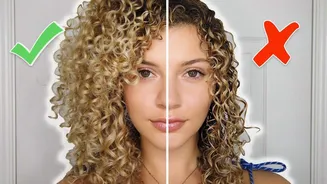
to hair care might be fundamentally flawed. While curl patterns are widely discussed, hair scientists, or trichologists, emphasize a more critical factor: hair porosity. This concept, often misunderstood, is essentially how well your hair absorbs and retains moisture. Without understanding your hair's porosity, you're essentially guessing at what it needs, leading to frustration and ineffective product choices. Porosity dictates whether your hair can effectively 'drink' moisture and, crucially, keep it locked in, impacting its overall health and appearance.
Low Porosity: The Fortress
Hair with low porosity can be identified by cuticles that are tightly bound together, creating a barrier that resists moisture penetration. This means water and products may sit on the surface, making hair feel greasy rather than hydrated. Common signs include hair taking a long time to become fully saturated when wet and a prolonged air-drying period, often lasting many hours. Heavy moisturizing products like shea butter can weigh down low porosity hair, leading to an unpleasant, greasy sensation. To care for this hair type, the key is to gently lift the cuticle to allow moisture in. Incorporating heat, such as using a steam cap or a warm towel during conditioning treatments, is highly effective. Opting for lightweight, water-based products and ingredients like glycerin, honey, and aloe vera is beneficial. Regular clarifying treatments are also essential to prevent product buildup, which can further impede moisture absorption.
High Porosity: The Sponge
In contrast, high porosity hair is characterized by an open cuticle layer, often due to factors like heat styling, chemical treatments, or genetic predisposition. This open structure allows moisture to be absorbed very quickly, but it also means that moisture escapes just as rapidly, leaving the hair feeling dry. The tell-tale signs include hair that gets wet almost instantly upon contact with water and dries remarkably fast, sometimes in less than an hour. This hair type is also more susceptible to frizz, tangles, and a dull, matte appearance. The primary goal for high porosity hair is to seal in moisture effectively. Employing methods like the LOC (Liquid, Oil, Cream) technique is crucial, utilizing heavier sealants such as castor oil or shea butter to create a protective barrier. Protein treatments, containing ingredients like wheat, silk, or keratin, are also beneficial as they help to fill the gaps in the cuticle structure, improving moisture retention.
Practical Porosity Test
The often-touted 'hair float test,' where a strand of hair is placed in a glass of water, can be unreliable due to surface tension or the presence of product residue. A more accurate method is the Spray Bottle Test. Take a clean, dry section of your hair and mist it with plain water. Observe how your hair reacts to the water. If the water beads up on the surface of the hair strands, it indicates that your hair has low porosity and struggles to absorb moisture. If the water soaks into the hair immediately and disappears, it suggests high porosity, meaning your hair readily absorbs water but likely loses it just as quickly. This simple test can provide valuable insights into your hair's absorption capabilities, guiding you towards more effective product choices and care routines.
Choosing the Right Products
The most significant takeaway from understanding hair porosity is how it informs your product selection. Instead of relying on marketing claims like 'for curly hair' or 'for straight hair' on shampoo bottles, pay close attention to the ingredient lists. For those with low porosity hair, prioritize products that are water-based and offer lightweight hydration without heavy oils or butters that can lead to buildup. Look for humectants that draw moisture into the hair. Conversely, individuals with high porosity hair will benefit from products containing heavier oils, butters, and proteins. These ingredients act as sealants, helping to lock in moisture that the hair struggles to retain on its own. By aligning your product choices with your hair's porosity, you can significantly improve its health, manageability, and overall appearance, saving both time and money in the process.