






The Overlooked Nightly Routine
Many of us prioritize a morning brush for that fresh feeling, but dentists stress that the real damage can occur overnight. When you sleep, saliva production
significantly decreases, diminishing its natural cleansing and acid-neutralizing capabilities. Without brushing before bed, food particles left on your teeth become a feast for bacteria, which then produce harmful acids for hours. This prolonged acid attack weakens tooth enamel, paving the way for cavities and other dental issues. Dr. Aparna points out that while a morning brush offers temporary freshness, it's insufficient to counteract the overnight bacterial activity that has been ongoing for many hours.
Why One Brush Isn't Enough
Brushing only once a day, especially in the morning, leaves your teeth vulnerable for extended periods. Plaque, a sticky film of bacteria, begins to reform within hours of being brushed away. Dr. Bhumika Madan emphasizes that from a clinical standpoint, nighttime brushing is paramount. It effectively removes the day's accumulation of plaque and food debris, offering the most crucial defense against overnight bacterial proliferation. If you can only manage one session, dedicating it to before bed is far more beneficial for preventing decay and gum problems than a morning-only routine.
Long-Term Oral Health Risks
Regularly skipping your nighttime brush can lead to escalating problems. Initially, this habit manifests as bad breath and increased plaque buildup. Over time, this plaque hardens into tartar, a calcified deposit that brushing alone cannot remove and necessitates professional dental cleaning. The progression from tartar can result in gingivitis, an inflammation of the gums, which can advance to periodontitis. This severe gum disease can lead to tooth loss and has also been linked to broader systemic health issues due to chronic inflammation. Maintaining consistent nightly oral care is therefore essential for preventing these compounding negative effects.
Prevention Through Consistency
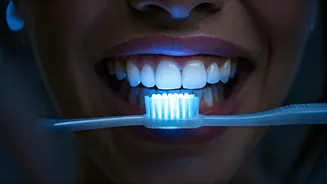
Achieving optimal oral health hinges on consistent daily habits rather than sporadic deep cleanings. The most effective strategy for safeguarding your teeth and gums involves brushing twice a day, with a particular emphasis on cleaning thoroughly before you go to sleep. Using fluoride toothpaste enhances this protective measure by strengthening enamel. Dr. Madan highlights that this simple, twice-daily regimen, especially the pre-bedtime brush, is one of the most straightforward yet powerful methods to ward off decay, gum disease, and preserve your smile for the long term.