





Milk Fat Matters
The secret to thick, luscious curd often lies in the milk you choose. Opting for full-fat milk is paramount, as its rich fat content provides a robust
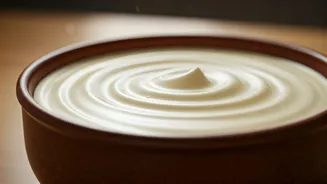
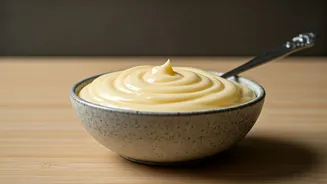
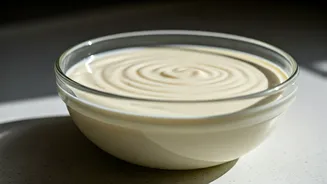
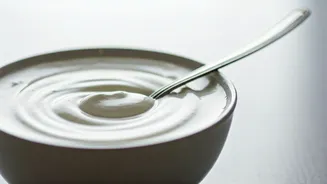
foundation for the protein network that forms during curdling. This higher fat composition allows the curd to hold its structure more effectively, significantly reducing the likelihood of liquid separation. In contrast, toned or skimmed milk, lacking this essential fat, is more prone to expelling water, resulting in that undesirable watery film on top. When milk boils with fat, it also yields a delightful layer of 'malai,' adding to the overall richness and creaminess of the final curd.
Temperature Control is Key
Achieving the ideal curd texture hinges on maintaining the correct temperature throughout the setting process. The optimal environment for curd formation hovers between 30°C and 40°C. Temperatures below this range can hinder the setting process, leading to a loose or unset curd. Conversely, excessive heat or prolonged fermentation can trigger over-fermentation, a primary culprit behind the separation of whey. To combat colder ambient temperatures, ingenious methods like placing the curd container inside a switched-off oven or microwave, or simply wrapping it in a thick cloth, can help create the consistent warmth needed for perfect curd setting.
Starter Balance
The amount of starter culture used significantly influences how your curd sets. While it might seem logical that more starter means faster curdling, this is often counterproductive. An excessive quantity of starter can accelerate the fermentation process too rapidly, leading to an overly sour taste and, importantly, a greater expulsion of whey. The key is moderation; for approximately 500 ml of milk, a mere 1/4 to 1/2 teaspoon of starter is usually sufficient. This balanced approach ensures a controlled fermentation, resulting in a smooth, well-set curd without excess liquid.
Ideal Starter Addition
The temperature at which you introduce the starter culture to the milk is critically important for optimal curd formation. Aim for a lukewarm temperature, ideally between 35°C and 40°C, which is conducive to the beneficial bacteria in the starter. A common and reliable method is the finger test: the milk should feel comfortably warm, not hot. Once the starter is added and the container is covered, it's crucial to avoid any disturbance. Shaking or moving the container can disrupt the delicate protein structure as it begins to form, leading to an unstable consistency that struggles to retain moisture, thus increasing the chances of whey separation.