




The Core of Vitality
The significance of a robust core extends far beyond mere appearance. When the muscles encircling your abdomen, lower back, and pelvic region function
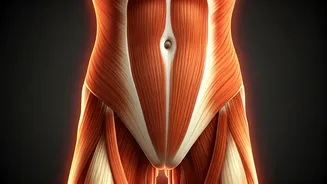
in unison and possess ample strength, your entire body operates with greater efficiency and harmony. This integrated strength leads to discernible improvements in breathing patterns, better blood circulation, enhanced mobility, and even contributes to a more serene and focused mental state. It's a fundamental aspect of physical well-being that becomes increasingly crucial as we mature. After the age of 50, maintaining this core integrity is paramount to counteract natural muscle wasting and preserve bodily function. The concept of 'core' encompasses not only the visible abdominal muscles but also deeper stabilisers, the diaphragm, and the pelvic floor. Together, these muscles work synergistically to maintain internal abdominal pressure, provide essential spinal support, and aid in crucial bodily processes like digestion and waste elimination. Therefore, cultivating a strong core is an investment in holistic health, impacting everything from how you move to how you feel and think.
Foundation Building Exercises
Before diving into focused core engagement, a proper warm-up is non-negotiable to prepare your body. Gentle activities like walking or light jogging are excellent for increasing blood flow and priming your cardiovascular system. Complement these with dynamic movements such as twisting your torso, bending sideways, and gentle forward-backward spinal bends. These actions effectively mobilise the spine and activate the oblique muscles and those in the lower back, significantly reducing the risk of injury and ensuring your muscles are primed for the main workout. For beginners, a foundational exercise involves lying on your back with your knees bent and feet planted firmly on the floor. From this stable position, gently lift your upper body slightly towards your knees, concentrating on controlled breathing and consciously tightening your abdominal muscles. This action effectively engages the rectus abdominis, commonly known as the 'six-pack' muscle, alongside deeper stabilising muscles. Aiming for 10 repetitions across 2 sets, or sustaining the contraction for a full minute, is an effective way to build initial strength. Following this, incorporate alternating elbow-to-knee crunches. This introduces a rotational element, specifically targeting the obliques and improving coordination between your upper and lower body while also enhancing spinal mobility. Maintaining a slow, deliberate pace is key to ensuring proper muscle activation rather than relying on momentum.
Functional Core Training
Introducing a standing cross crunch exercise adds a practical, functional dimension to your core strengthening regimen. By performing this movement while standing, using a wall for balance support, you simultaneously challenge your stability and coordination. The action involves bringing your elbow towards the opposite knee, which effectively engages the obliques, hip flexors, and also tests your overall neuromuscular control. This type of exercise closely mimics everyday actions, making it highly beneficial for real-life movements and posture. A crucial aspect of this exercise is the breathing pattern: inhale as you prepare for the movement, and exhale forcefully during the contraction. This mindful breathing technique helps to more effectively recruit the deep core muscles. Aim to perform this exercise for one minute on each side to build both muscular endurance and improve coordination between your brain and muscles. For individuals seeking a more demanding workout, integrating squats with kicking movements offers a substantial increase in challenge. While squats primarily target the lower body muscles like the quadriceps, hamstrings, and glutes, they inherently require strong core stabilisation to maintain proper form throughout the movement. Adding a kicking motion amplifies the demand placed on the core considerably. Your body must expertly stabilise itself on one leg while simultaneously generating power and control with the other, engaging the abdominals, obliques, and lower back muscles. Furthermore, this dynamic exercise elevates your heart rate, contributing to a higher metabolic rate and increased calorie expenditure, which can be beneficial for managing body composition and cardiovascular health over time.
Holistic Lifestyle Support
To truly maximise the benefits derived from any core exercise program, it is essential to complement your training with supportive lifestyle habits. A well-balanced diet, rich in essential nutrients, plays a vital role in fueling muscle recovery and promoting overall health and well-being. Ensuring adequate hydration is equally important, as water is critical for supporting various metabolic processes and maintaining healthy joint function. Equally important are sufficient rest and recovery periods. These allow your body the necessary time to repair damaged muscle fibres and grow stronger. While exercise, particularly strength training that builds muscle mass and increases overall daily activity, can contribute positively to energy utilization and improve body composition, it's important to manage expectations regarding dramatic increases in basal metabolic rate (BMR) solely from short exercise routines. The cumulative effect of consistent training and healthy habits over time builds a strong foundation. This foundation not only supports improved physical movement and capabilities but also contributes to a more balanced, resilient, and productive lifestyle, enhancing your overall quality of life.