



Bhutan's Sacred Giant
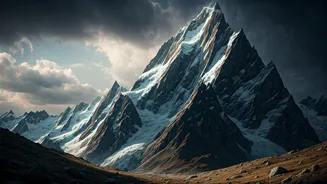
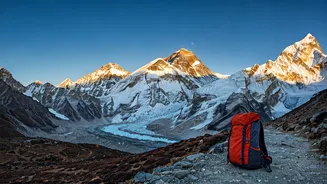
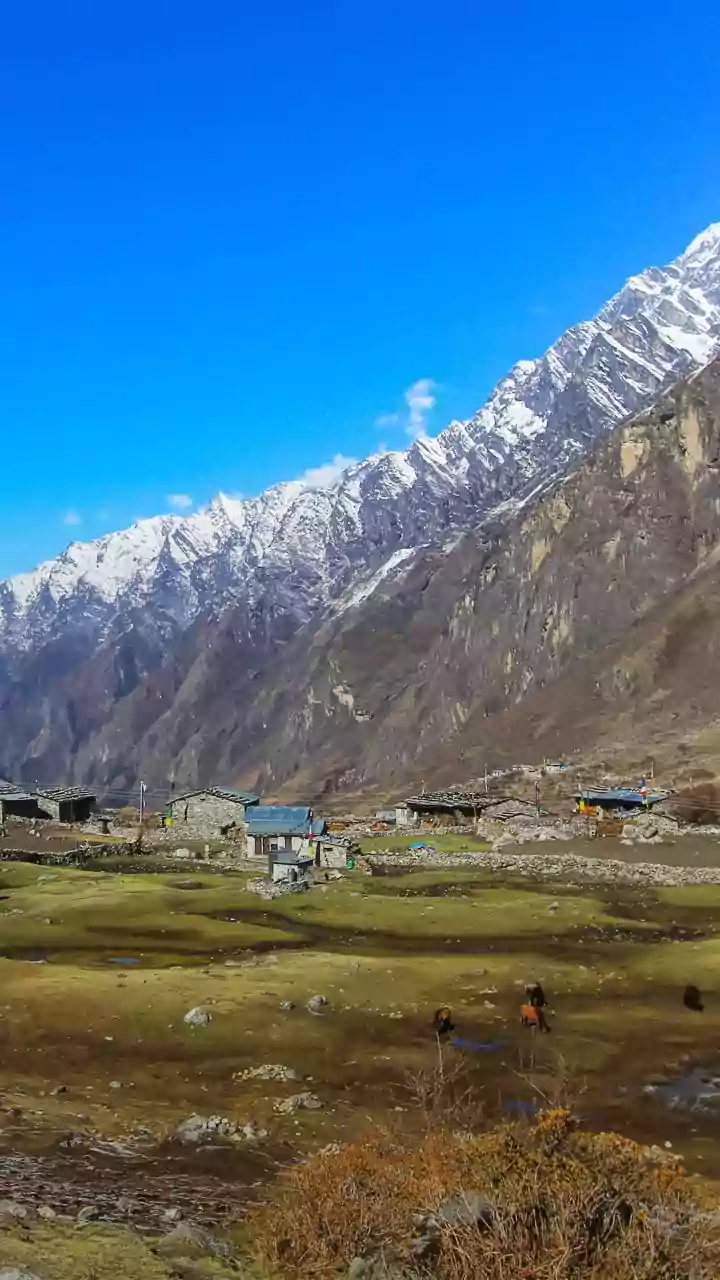
Gangkhar Puensum, standing at a towering 7,570 meters, holds the prestigious title of the world's highest mountain that has never been successfully summited.
Its inaccessibility isn't due to a lack of daring climbers, but rather a deliberate policy by the Bhutanese government. The nation regards its mountains with profound spiritual significance, deeming them sacred and thus prohibiting any mountaineering activities. This deep-seated respect ensures that Gangkhar Puensum remains a pristine, unclimbed marvel, a testament to the intersection of natural grandeur and cultural reverence.
Himalayan Challenges
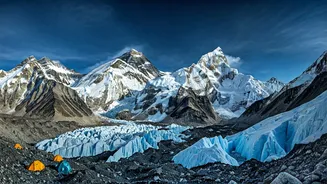
Labuche Kang III presents a compelling case as the tallest unclimbed peak that is not subject to official climbing bans. Despite its accessibility in the Himalayas, numerous expeditions have attempted to reach its summit, only to be thwarted by its treacherous nature. The mountain is characterized by formidable ice walls, deep and often hidden crevasses, and relentlessly severe weather conditions. These dangers create an unpredictable and perilous environment, consistently forcing even the most skilled climbers to retreat before reaching their ultimate goal.
Spiritually Protected Summit
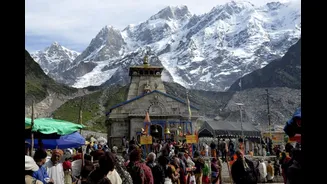
Mount Kailash, a peak revered across multiple religions including Hinduism, Buddhism, Jainism, and Bon, holds immense spiritual significance for millions. Its sacred status dictates that climbing it is strictly forbidden, a respect that mountaineers generally adhere to. While its majestic presence might beckon adventurers, the cultural and religious importance of Mount Kailash takes precedence, ensuring its pristine condition and protecting it from human ascent. This voluntary abstinence highlights a different kind of barrier: one of profound respect and spiritual conviction.
Antarctica's Isolated Peak
Mount Siple stands out from the other unclimbed peaks not because of its extreme height, but due to its profound isolation. Situated in the desolate and remote reaches of Antarctica, the sheer logistical challenge of reaching even its base has meant that no climber has ever seriously attempted its ascent. The harsh environment and the immense distance involved create a natural barrier that has, so far, preserved Mount Siple as an untouched summit.
Karakoram's Remote Giants
The Summa Ri I and II peaks, located within the formidable Karakoram range, continue to evade climbers. Their untouched status is attributed to a trifecta of daunting challenges: extreme remoteness that makes access incredibly difficult, the constant threat of avalanches, and the overall technical complexity of the routes. These factors combine to create an environment so hostile that no climbing expedition has yet managed to conquer these summits.
Reasons for Inaccessibility
The persistence of unclimbed peaks stems from a variety of compelling factors, ensuring they remain unconquered. For some, like Mount Kailash, religious sanctity is paramount, leading to voluntary abstention from climbing. Others present extreme physical dangers, featuring unstable ice formations, hidden crevasses, and constant avalanche risks that make them unacceptably perilous. Furthermore, many of these mountains are situated in incredibly remote locales, requiring weeks of arduous travel and complex logistics just to begin an ascent. Government-imposed restrictions also play a role, alongside the sheer, insurmountable technical difficulty that has yet to be overcome by any climbing team.