





Emerging Fitness Trends
The year 2026 sees a continued rise in personalized fitness, driven by advanced wearable technology and AI-powered training programs. Digital fitness platforms
provide customized workout plans and real-time feedback, catering to individual needs and goals. Furthermore, group fitness classes, both in-person and virtual, remain popular, fostering a sense of community and motivation. High-Intensity Interval Training (HIIT) and functional fitness workouts, focusing on movements that mimic everyday activities, continue to gain traction for their efficiency and effectiveness. Mindfulness and meditation practices are also becoming integral parts of fitness routines, emphasizing the importance of mental well-being alongside physical health. Yoga and Pilates, with their focus on flexibility, strength, and balance, remain strong choices for those seeking holistic fitness methods.
Dietary Shifts in India
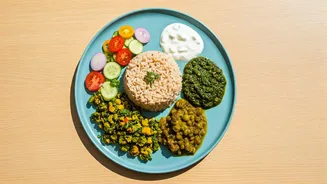
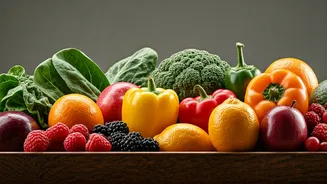
In 2026, the Indian diet sees a growing emphasis on plant-based foods, reflecting a global shift towards sustainable and health-conscious eating. More people are embracing vegetarian and vegan diets, leading to increased availability of plant-based options in restaurants and supermarkets. Traditional Indian ingredients, such as millets, pulses, and locally sourced vegetables, are regaining popularity due to their nutritional benefits and environmental sustainability. Nutritionists are highlighting the importance of balanced meals, incorporating diverse food groups to ensure adequate nutrient intake. Awareness about food labels, portion control, and mindful eating habits is also growing, empowering individuals to make informed dietary choices. Furthermore, the rise of home-cooked meals, with a focus on fresh ingredients and traditional recipes, plays a significant role in promoting healthy eating habits.
Mental Wellness Matters
Mental health awareness receives increased attention in 2026, leading to a greater focus on strategies for stress reduction and emotional well-being. Workplace wellness programs often incorporate mindfulness sessions, stress management workshops, and access to mental health professionals. Meditation apps and online resources provide accessible tools for managing anxiety and improving mental clarity. The integration of mental health with physical fitness is becoming more common, with fitness instructors incorporating mindfulness techniques into their classes. Communities are actively organizing mental health awareness campaigns to destigmatize mental health issues and encourage open conversations. Support groups and online forums provide safe spaces for people to share experiences and receive support from others facing similar challenges.
Leveraging Technology
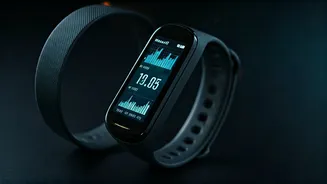
Technology continues to revolutionize health and fitness in 2026, providing users with unprecedented access to personalized health data and support systems. Wearable devices track various metrics, including heart rate, sleep patterns, and activity levels, giving individuals valuable insights into their overall health. Smartphone apps offer guided workouts, nutritional tracking, and virtual consultations with healthcare professionals. Telehealth services facilitate remote consultations, allowing individuals to access medical advice and support from anywhere. Artificial intelligence (AI) is used to analyze health data, providing personalized recommendations for exercise, nutrition, and lifestyle changes. Virtual reality (VR) and augmented reality (AR) are integrated into fitness games and training programs, making workouts more engaging and immersive. The availability of accessible fitness technology empowers people to take proactive steps to improve their health.
Cultural Considerations
Understanding and embracing cultural nuances is essential for promoting health and fitness in India. Customized fitness programs incorporate traditional Indian practices, such as yoga, Ayurveda, and regional dance forms, to make fitness more accessible and relatable. Nutritionists tailor dietary recommendations to accommodate local food preferences, dietary restrictions, and cultural traditions. Health and fitness campaigns are often designed to address specific health challenges prevalent in different regions of India, such as diabetes, cardiovascular disease, and obesity. Encouraging a holistic approach that considers physical, mental, and social well-being is crucial for promoting sustainable health outcomes. Creating accessible and inclusive fitness initiatives that cater to people of different ages, abilities, and socioeconomic backgrounds is also necessary. Promoting awareness regarding the benefits of culturally appropriate health practices is important.