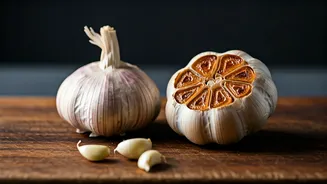

Raw Garlic's Potential
Consuming raw garlic may offer specific advantages. It contains a higher concentration of allicin, a compound known for its health-promoting properties.
When garlic is crushed or chopped, the enzyme alliinase reacts with alliin to produce allicin. This compound is responsible for garlic's characteristic pungent smell and is believed to have antioxidant, anti-inflammatory, and antimicrobial effects. Some studies suggest that raw garlic might be particularly effective in combating certain infections and supporting cardiovascular health. However, the intensity of raw garlic can be a deterrent for some. The strong flavor and potential for digestive upset are factors to consider, and the raw consumption might also lead to unpleasant breath.
Cooked Garlic's Transformation
Cooking garlic alters its chemical composition. Heat denatures alliinase, reducing the formation of allicin. However, cooked garlic still provides benefits, and the cooking process can also create new beneficial compounds. Some studies show that cooked garlic may retain some of its original health advantages. Cooking mellows the flavor, making it less harsh and more palatable for many people. It also reduces the chances of digestive discomfort. The extent of the loss of allicin during cooking depends on the temperature and duration of the cooking method. Gentle cooking methods, like steaming or sautéing, can help preserve more of the beneficial compounds, while intense heat might diminish some of the potential health advantages.
Comparing the Benefits
Both raw and cooked garlic offer health benefits, but they do so in different ways. Raw garlic tends to have a greater concentration of allicin, offering potentially more potent antimicrobial and antioxidant effects. Cooked garlic is gentler on the digestive system, making it a better option for those with sensitive stomachs, and it also develops a sweeter, milder flavor. The choice between raw and cooked garlic often comes down to individual preference and tolerance. Someone seeking the most immediate health impact might lean toward raw garlic, while those prioritizing ease of digestion and flavor might prefer cooked garlic. Incorporating both types into the diet could provide a balanced approach to the health benefits of garlic.
Who Should Be Careful?
While garlic is generally safe, certain individuals should exercise caution. People taking blood-thinning medications should consult their doctor before increasing garlic consumption, as garlic can have anticoagulant effects. Those with digestive issues like acid reflux or irritable bowel syndrome might find raw garlic particularly irritating. If you experience heartburn, bloating, or stomach pain after eating raw garlic, cooked garlic could be a better alternative. Pregnant or breastfeeding women should also discuss garlic consumption with their healthcare provider to ensure it aligns with their health needs. Excessive garlic consumption, regardless of preparation, can lead to adverse effects, so moderation is key for all individuals.
Best Way to Consume
The method of consuming garlic, whether raw or cooked, can be adapted to individual needs and preferences. To maximize allicin production in raw garlic, crush or chop it a few minutes before eating to allow alliinase to react fully. Adding raw garlic to salads, dips, or sauces is a simple way to incorporate it into your diet. For cooked garlic, gentle cooking methods are best to preserve the most beneficial compounds. Roasting garlic whole or adding it to soups and stews offers ways to enjoy its flavor without compromising its nutritional value significantly. The ideal approach might involve a combination of both raw and cooked garlic, providing the potential benefits of both.