





The Undernourished TB Link
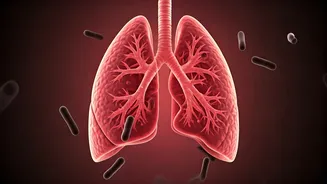
Tuberculosis remains a formidable health challenge in India, with a high burden of new cases and unfortunate fatalities. A critical, often overlooked,
factor contributing to this crisis and its persistence is undernutrition. This pervasive issue, deeply intertwined with poverty, food insecurity, and diets lacking adequate protein, exacerbates TB's impact. The RATIONS trial, conducted in Jharkhand with support from the Indian Council of Medical Research, has shed significant light on this connection. As the first food-based intervention trial of its kind in India, RATIONS aimed to not only prevent new TB infections within families already affected by the disease but also to significantly enhance treatment success rates for patients. This approach underscores that for many TB patients in India who are severely underweight, nutritional support is not a mere add-on but a fundamental component of effective treatment.
Real Stories, Real Gains
The impact of nutritional interventions on TB patients is powerfully illustrated by real-life experiences from the RATIONS trial. Consider the case of Ramlal, a 19-year-old tribal youth diagnosed with lung TB, who weighed a mere 26 kg and was largely bedridden. Upon receiving a monthly food basket alongside his TB medication, he experienced a remarkable transformation. Within weeks, his mobility improved, allowing him to cycle to work, and by the end of his treatment, he had gained weight to 42 kg. Similarly, Laxmi, who had previously struggled with adherence to TB medication due to jaundice and was unable to breastfeed her infant, found renewed strength. Through the trial's support, she was able to complete her treatment and successfully breastfeed her four-month-old baby. These narratives highlight the direct correlation between adequate nutrition and improved patient outcomes, including enhanced adherence and physical recovery.
Combating TB Deaths
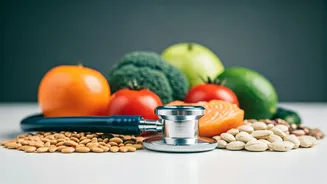
Undernutrition, particularly when severe, is a prevalent issue among TB patients in India and represents a major, modifiable risk factor for mortality, drug-induced toxicity, and relapse even after successful treatment. For a substantial number of underweight TB patients, nutritional supplementation is an indispensable part of their care regimen, not an optional extra. These individuals and their families often face food insecurity, which is further amplified by the illness. The RATIONS trial demonstrated that a monthly provision of a 10 kg food basket, containing staples like cereals, pulses, milk powder, and oil, led to an average weight gain of approximately 4.5 kg in patients. Crucially, even a modest weight increase of 5% within the initial two months of treatment was found to be protective against death, slashing the mortality risk by over 60%. This underscores the critical role of early and consistent nutritional support in saving lives.
National Efforts & Cautions
India's National TB Elimination Programme (NTEP) has been actively implementing initiatives to tackle undernutrition within TB care. The Ni-Kshay Poshan Yojana, which provides direct benefit transfers to patients, has seen its monthly allocation increase from ₹500 to ₹1,000. Furthermore, the Ni-Kshay Mitra Yojana offers in-kind support to TB patients, though it's not universally applied. While these efforts are commendable, a proposed plan to introduce energy-dense nutrition supplements for a two-month period for underweight TB patients warrants careful consideration. The higher costs associated with these supplements, the potential for oversimplifying the need for a balanced diet, and the risks of monotony and poor patient acceptance are significant concerns. Moreover, the prevalence of diabetes among TB patients in India, affecting approximately one in seven individuals, necessitates a more nuanced approach to dietary interventions that accounts for such comorbidities.
Nutrition: A New Avenue
While infection with the tuberculosis bacterium is a prerequisite for developing the disease, it is not sufficient on its own. A substantial majority, around 90%, of infected individuals with robust immunity never progress to active TB. Undernutrition stands out as the most widespread cause of compromised immunity in India and globally. It is estimated to contribute to nearly 40% of new TB cases within India. Consequently, improving the nutritional status of the general population presents a promising alternative strategy for reducing TB incidence. Diets prevalent among lower-income populations in India are often critically deficient in quality protein. TB-affected households are particularly vulnerable due to intertwined issues of poverty, food insecurity, and undernourishment. The RATIONS trial found that providing 1.5 kg of pulses per family member monthly, alongside extra rice, acted akin to a vaccination, significantly reducing new TB cases in these families by almost half. This aligns with the World Health Organization's recent guidelines, which advocate for nutritional interventions in contexts of poverty and undernutrition, drawing heavily on evidence from trials like RATIONS.
Pathways to Progress
India is taking a leading role in implementing comprehensive nutritional assessments and support mechanisms through the NTEP, and its research has influenced global policies. Future positive developments should include systematic recording and reporting of nutritional assessments at the time of diagnosis, at the two-month mark, and upon treatment completion. This data is vital for identifying individuals at risk of mortality, tracking early weight gain, and evaluating nutritional recovery. A differentiated TB care model, such as the TN-KET intervention in Tamil Nadu, can help in identifying and prioritizing severely underweight patients. This approach requires local adaptation of food baskets, paying close attention to co-existing medical conditions, and providing essential support for transportation and inpatient care for critically ill patients. The inverse care law, which suggests that those most in need often have the least access to care, also applies to TB and nutrition; vulnerable groups like remote populations, tribal communities, and migrant workers must not be overlooked in these efforts.