






Fat Infusion for Satiety
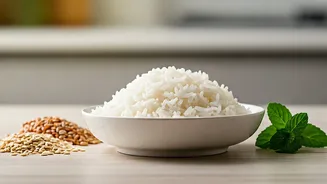
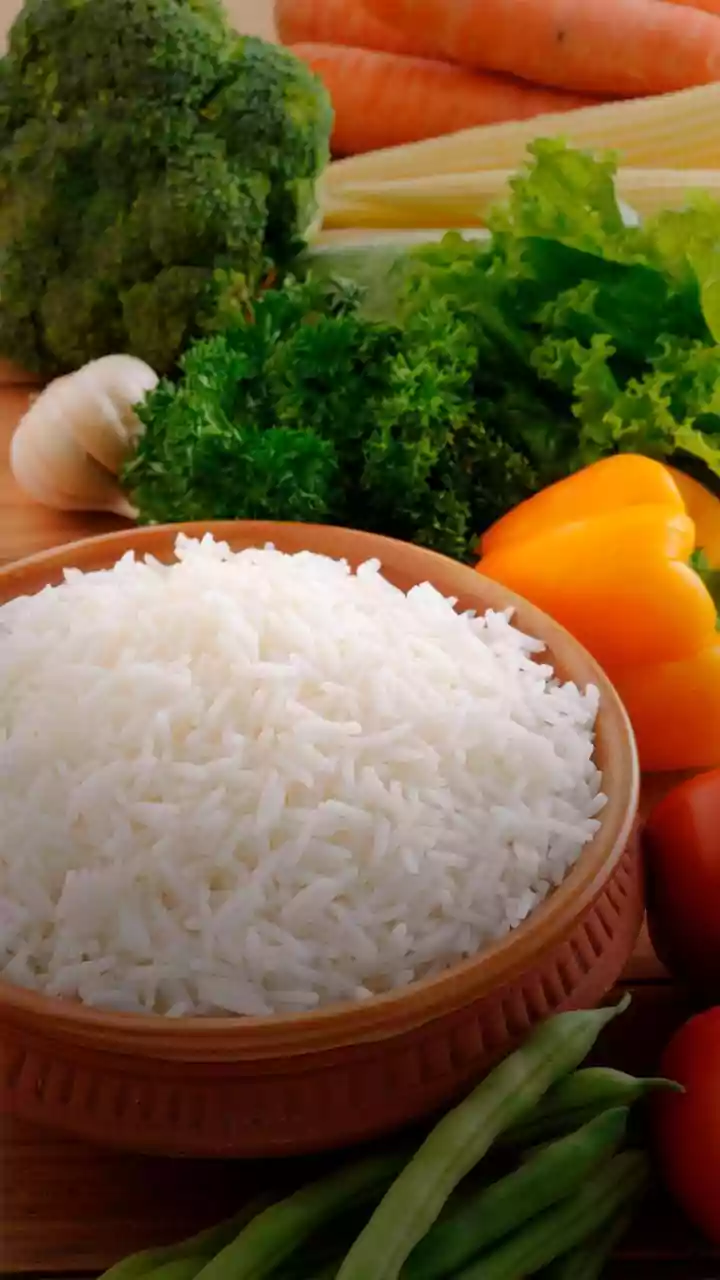
Elevate your rice by incorporating a small amount of healthy fat during the cooking process. Adding about a teaspoon of ghee while boiling your rice can
significantly enhance its benefits. This simple addition not only makes the rice more satisfying, helping you feel fuller for longer, but also plays a crucial role in stabilizing your blood sugar levels. By managing how quickly your body absorbs the carbohydrates from the rice, it prevents sharp spikes and subsequent energy crashes, contributing to a more sustained feeling of fullness and well-being throughout your meal.
The Cooling Advantage
For those mindful of their blood sugar management, a key technique involves cooling your cooked rice. Instead of consuming it immediately after cooking, allow it to cool down completely. Ideally, refrigerate it overnight before eating. This process changes the rice's molecular structure, creating more resistant starch. Resistant starch behaves differently in your digestive system, acting more like fiber. This means it’s digested more slowly, leading to a significantly lower impact on blood glucose levels and fewer sharp sugar spikes after your meal, which is particularly beneficial for individuals managing diabetes or seeking better metabolic control.
Strategic Eating Order
The sequence in which you consume your meal matters more than you might think. Nutritionist Kavita Devgan suggests a specific order to maximize rice's benefits. Begin your meal with fiber-rich components, such as a generous serving of salad or steamed vegetables. Following this, move on to protein sources like dal, curd, eggs, chicken, or fish. Only after these elements have been consumed should you incorporate the rice. This habit naturally encourages smaller rice portions and helps to buffer the glycemic response, ensuring that the carbohydrates from the rice are absorbed more gradually and with less impact on your blood sugar.
Portion Control Wisdom
Mindful portioning is fundamental to integrating rice healthily into your diet. Aim to limit your rice intake to roughly two fistfuls per meal, with an emphasis on consuming larger portions earlier in the day and significantly smaller ones in the evening. Contrary to popular belief, rice is not necessarily a food to be avoided at night. For individuals experiencing sleep disturbances, including a moderate portion of rice with dinner can be beneficial. This is because rice can aid in boosting serotonin and melatonin, hormones crucial for regulating mood and promoting restful sleep, thereby improving overall sleep quality.
Embrace Fermented Rice
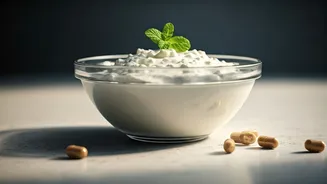
Exploring the world of fermented rice opens up a treasure trove of gut-health benefits. Traditional preparations like idli, dosa, and pazhaya sadam (a rice kanji) are excellent examples of how fermentation enhances the nutritional profile of rice. The fermentation process breaks down complex carbohydrates and proteins, making them easier to digest and absorb. It also cultivates beneficial probiotics, which are vital for a healthy gut microbiome. Embracing these time-honored methods allows you to harness the power of rice for improved digestion and a more robust internal ecosystem, reflecting ancient wisdom that predates modern health trends.