






Arsenic for Radiance
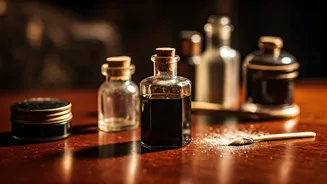
In the 19th century, a disturbing trend emerged where individuals ingested arsenic, believing it would grant them a clear, luminous complexion. These so-called
"complexion wafers" were marketed as miraculous beauty aids, but beneath their alluring promise lay a deadly reality. Regular consumption of this potent poison could lead to severe health issues, including organ damage and various forms of cancer, effectively turning a pursuit of beauty into a gamble with life itself. The belief that beauty was worth such a profound physical risk highlights a dark chapter in the history of cosmetics, where appearance trumped safety.
Foot Binding's Painful Legacy
For many centuries, a deeply entrenched cultural practice in China involved the binding of young girls' feet to keep them exceptionally small. This painful ritual was considered a mark of beauty, social status, and desirability, with smaller feet being highly prized. The process itself was brutal, involving the breaking of bones and the distortion of the foot's natural structure. This not only resulted in excruciating pain but also led to lifelong physical disabilities, infections, and immense difficulty in walking. The sacrifice of mobility and comfort for a narrow societal aesthetic underscores the extreme measures once taken to conform to beauty standards.
Lead-Based Complexion Enhancers
Achieving an ethereal, pale complexion was a paramount goal for many in historical eras, leading to the widespread use of lead-based powders like Venetian ceruse. This cosmetic offered a seemingly flawless, matte finish that effectively masked imperfections and created the desired look of purity and refinement. However, the beauty of this powder came at a significant cost. The lead would gradually absorb into the skin and bloodstream, initiating a cascade of damaging effects. Common consequences included irreversible hair loss, serious nerve damage, and, in many cases, a slow and agonizing death as the body was poisoned from within.
Nightshade's Alluring Danger
The pursuit of an alluring, wide-eyed gaze led women to employ a highly toxic substance: extracts derived from the deadly nightshade plant. By carefully applying these drops to their eyes, they could achieve pupil dilation, resulting in a seemingly dreamy and captivating look that was fashionable at the time. This aesthetic enhancement, however, carried severe risks. Beyond temporary blurred vision, the potent toxins could lead to systemic poisoning and, in some tragic instances, result in permanent blindness, forever altering the individual's perception of the world in exchange for a fleeting fashionable appearance.
Radium's Radioactive Glow
The early 20th century saw a bizarre fascination with radioactive elements, even extending into the realm of beauty products. Makeup and skincare items infused with radium were marketed with the promise of a radiant, healthy-looking glow. Women would apply these creams directly to their skin, unaware of the invisible threat they were introducing. This exposure to dangerous levels of radiation posed significant long-term health risks, including an increased susceptibility to cancer and other radiation-related illnesses, a chilling example of beauty trends embracing potentially lethal scientific discoveries.
Corsets' Constricting Grip
The quest for a dramatically cinched waist and an exaggerated hourglass figure led to the extreme practice of tight-lacing corsets. These garments were engineered to be pulled so taut that they severely restricted the wearer's ability to breathe naturally. Beyond respiratory distress, the immense pressure from these corsets could compress vital organs, leading to their displacement and compromising their function. This not only caused discomfort and pain but could also result in fainting spells and significant, long-lasting internal health problems, demonstrating how fashion could directly endanger physical well-being.