








Pandemic's Toll on Youth
The global health crisis triggered by COVID-19 has cast a long shadow over the well-being of adolescents and young adults, intensifying pre-existing mental
health vulnerabilities. The disruption to daily routines, the loss of social connections, and the pervasive uncertainty surrounding the future have created a fertile ground for increased anxiety, depression, and other psychological distress. Schools and extracurricular activities, which typically serve as vital support systems and sources of social interaction, were significantly curtailed, leaving many young individuals feeling isolated and disconnected. This prolonged period of confinement and altered social dynamics has, for many, amplified feelings of loneliness and exacerbated challenges that were already present before the pandemic, underscoring the urgent need for focused attention on this demographic's mental health.
Unique Adolescent Struggles
Young people, by their very developmental stage, often grapple with unique pressures related to identity formation, peer relationships, and academic achievement. The pandemic superimposed additional layers of complexity onto these already demanding processes. The sudden shift to remote learning, while a necessary safety measure, often meant a decline in the quality of education for some and a lack of direct engagement with educators who could identify and address emerging issues. Furthermore, the social isolation inherent in lockdowns significantly impacted the development of crucial social skills and emotional regulation, as opportunities for in-person interaction with peers were drastically reduced. These compounded challenges have meant that many adolescents have faced a more arduous journey in navigating their emotional landscape and maintaining a sense of stability during an unprecedented global event.
Stories of Resilience
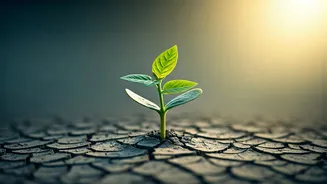
Amidst the widespread challenges, numerous young individuals have demonstrated remarkable resilience and adaptability in the face of adversity. Their personal journeys offer powerful insights into coping mechanisms and the importance of seeking and providing support. These narratives often highlight the ingenuity of young people in finding new ways to connect with friends and family, pursue hobbies, and maintain a sense of purpose, even when traditional avenues were closed. Understanding these lived experiences is crucial for developing effective strategies to support youth mental health moving forward, emphasizing that even in the darkest times, hope and strength can be found. These stories serve as a testament to the inner fortitude of young people and their capacity to overcome significant obstacles.
Actionable Support Tips
Navigating the complexities of youth mental health requires a multifaceted approach, encompassing both individual coping strategies and community-level support systems. Encouraging open communication about feelings, promoting healthy lifestyle choices such as regular exercise and balanced nutrition, and ensuring adequate sleep are foundational elements. Furthermore, providing access to mental health resources, normalizing conversations around mental well-being, and fostering supportive environments in homes and schools are vital. For young people struggling, reaching out to trusted adults, friends, or professional counselors can make a significant difference. Educating oneself and others about the signs of mental health distress and available support services empowers individuals and communities to act proactively in safeguarding the emotional health of the younger generation.