

Rethink Fan Direction
Many believe that positioning a fan to blow hot air out a window is the ultimate solution for a sweltering room. However, research suggests this common
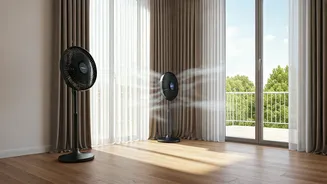
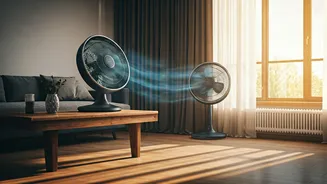
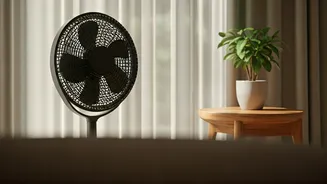
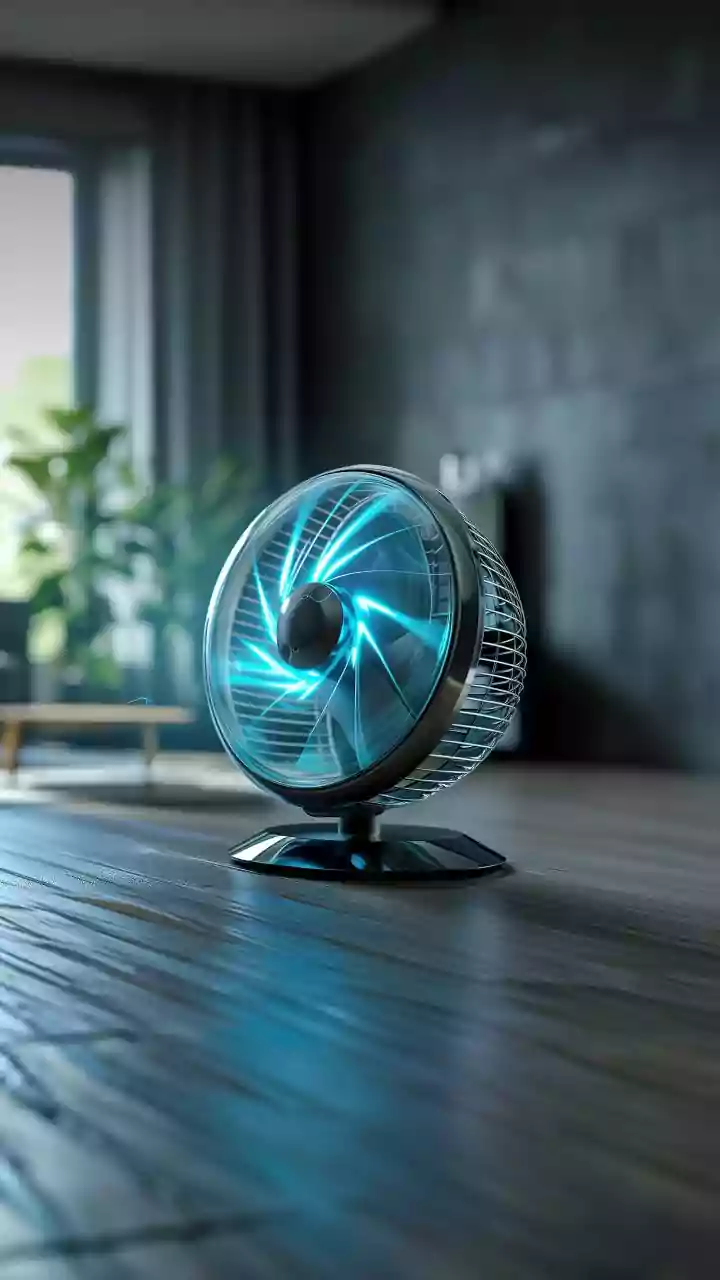
practice might not be as effective as we assume. Instead of just expelling warm air, a more sophisticated approach involves understanding air pressure dynamics. When a fan is directed inwards, it can create a unique "cup effect," circulating air throughout the entire space. This internal circulation aids in heat transfer and significantly accelerates the evaporative cooling process directly on your skin, providing a more noticeable cooling sensation than simply pushing air outwards. This method focuses on manipulating perceived temperature through airflow, offering a more efficient way to combat rising indoor heat.
Negative Pressure & Cup Effect
When you attempt to exhaust air from a room using a fan, you inadvertently create a slight vacuum or negative pressure. This encourages the room to draw in air from elsewhere, a process that becomes more beneficial if there's another, cooler, shaded opening available. However, a deeper investigation into airflow patterns reveals a fascinating discovery: fans directed *into* a room tend to generate a "cup-shaped" airflow. This distinct pattern is far more adept at distributing air evenly across the entire volume of the space, unlike a narrow stream aimed solely at an open window. This improved circulation is crucial for both heat transfer and enhancing the body's natural cooling mechanism through evaporation, making the room feel cooler and more comfortable.
Humid Climates & Convection
In environments where humidity is a significant factor, the strategy of simply replacing indoor air with outdoor air can be rendered ineffective, especially when outdoor temperatures are already high. For instance, if it's 35°C outside and 32°C inside, exchanging air offers minimal relief. In such conditions, the primary goal shifts to "convective cooling." This involves generating high-velocity air movement that passes directly over your skin, promoting rapid evaporation and thus, a cooling effect. Therefore, directing a fan inwards, specifically towards occupants, becomes the superior tactic. The focus here is on altering the 'perceived' temperature through increased air movement, which often feels more impactful than trying to lower the room's actual temperature.
Strategic Timing & Flow
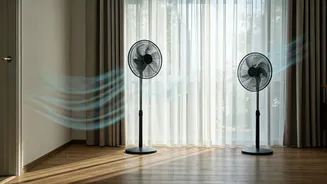
The effectiveness of your DIY ventilation strategy hinges significantly on timing. During the peak heat of the day, it's advisable to use fans to draw cooler air into your home through windows situated in the shadiest and coolest parts of your house. However, as the evening approaches and the outdoor temperature drops below the indoor temperature, the approach should pivot. This is when you can implement true cross-ventilation. Position one fan to pull the cooler evening air into one end of your house while simultaneously using another fan to expel the day's accumulated heat from the opposite end. This creates a powerful, tunnel-like airflow that can rapidly purge the residual heat, making your home comfortable quickly.
Enhancing Airflow Efficiency
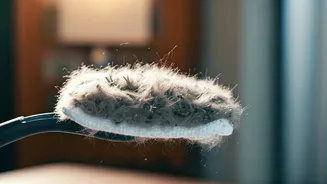
To maximize the impact of your fans, it's essential to carefully plan the path your air will take. A common pitfall is neglecting the physical condition of your fans and windows; dust buildup on fan blades or on window screens can significantly reduce their effectiveness. Additionally, strategically placing your intake fan in an area shielded from direct sunlight—perhaps by trees or an overhang—will prevent it from drawing in additional external heat. Furthermore, leveraging the natural tendency of hot air to rise is a smart move. By placing an exhaust fan in a higher window and an intake fan in a slightly lower window on the opposite side of the house, you can utilize the "stack effect." This natural phenomenon uses the buoyancy of warm air to help push it upwards and out, facilitating a more efficient and continuous ventilation process, making your home feel like it's breathing.