






Initial Body Responses
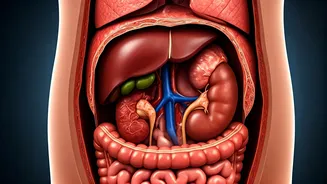
The body undergoes a significant shift at the onset of a 3-day water fast. Initially, the body begins to deplete its glycogen stores, which are the body's
primary source of energy, and stored in the liver and muscles. The liver can hold approximately 400 calories in the form of glycogen. As these stores are used up, the body starts searching for alternative energy sources. The early stage of fasting may result in feelings of hunger, headaches, and fatigue. The body also starts to eliminate water as it mobilizes glycogen, which leads to frequent urination. This initial phase can also trigger mood fluctuations as the body adjusts to the lack of food intake.
Transitioning to Ketosis
After approximately 12 to 24 hours of fasting, the body begins transitioning into ketosis. When glycogen stores are low, the body switches to burning fat for fuel. The liver converts fat into ketone bodies, which serve as an alternative energy source for the brain. Ketosis can bring about various changes. Some people experience a 'keto flu,' marked by symptoms like fatigue, nausea, and headaches. On the other hand, others may feel more focused and clear-headed. The specific intensity of these feelings varies among individuals based on factors like metabolism, genetics, and baseline health. The body’s efficiency in utilizing ketones gradually improves throughout the fasting period.
Cellular Repair Processes
Fasting can activate several cellular repair processes. During this time, the body initiates autophagy, which is like a cellular housekeeping system. Autophagy involves the body removing damaged cells and recycling cellular components. This process has the potential to help boost cellular health, and potentially reduce the risk of certain diseases. The absence of constant digestion gives the body a break, allowing it to focus on internal repair and maintenance. While the impact of these processes can vary, the reduction in energy expenditure allocated to digestion enables the body to direct resources towards restoration and detoxification.
Potential Benefits Explored
Advocates of water fasting often highlight several potential benefits. There are claims of weight loss due to reduced caloric intake and enhanced fat burning. Some people report improved insulin sensitivity. Furthermore, water fasting can promote cellular repair and detoxification. However, it's crucial to acknowledge that the research on these benefits is not extensive, and more studies are required to confirm these claims. It is very important to approach these perceived benefits with a balanced perspective, considering both the potential upsides and downsides.
Important Considerations
Water fasting is not suitable for everyone. People with specific medical conditions, such as diabetes, eating disorders, or those who are pregnant or breastfeeding should avoid water fasting without medical supervision. It is extremely important to consult a healthcare professional before starting any type of fast. Potential side effects can include nutrient deficiencies, electrolyte imbalances, and muscle loss. Therefore, it is important to carefully consider any possible risks. After a water fast, it's critical to reintroduce food gradually to avoid digestive issues.