



Choosing the Right Panels
Selecting the appropriate solar panels is a crucial first step to avoid costly mistakes and ensure your energy needs are met. For personal use like camping
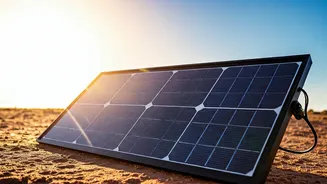
or charging small gadgets, lower wattage panels (e.g., 10W to 20W) are typically sufficient. However, for powering larger systems such as RVs or homes, higher wattage panels (e.g., 100W to 200W) are more suitable. It's always advisable to choose panels that offer slightly more power than you anticipate needing, as this buffer accounts for unpredictable sunlight and unforeseen energy demands. Opting for high-efficiency panels, around 23%, is beneficial as they generate more power even when conditions aren't ideal, like during cloudy spells, partial shade, or suboptimal panel placement. Additionally, consider panels with good weatherproofing ratings, like IP65, which indicates resistance to water and dust, making them perfect for outdoor excursions. For more permanent installations on RVs, homes, or cabins, bifacial panels are a valuable option, capable of outputting both 12V and 24V, and can be integrated with a power station and battery for a comprehensive setup. Some advanced power stations also allow for connecting multiple panels, enabling you to scale up your power generation capacity significantly, which is a major advantage if your energy requirements are high or fluctuate.
Mastering Panel Positioning
Optimal panel positioning is paramount for maximizing energy capture, transforming the sun's rays into usable power. In the Northern Hemisphere, aim to orient your panels directly south, typically at a 45-degree angle, to face the sun squarely. For precise alignment, especially if you're chasing every watt, utilize sun-tracking apps or a compass to ensure your panels are perpendicular to the sun at solar noon. These apps can even help visualize the sun's path using tools like Google Street View. The tilt angle should ideally match your geographical latitude, with an adjustment of plus or minus 10 to 15 degrees for summer or winter seasons, respectively. While exact precision isn't always necessary, avoid leaving panels flat on the ground unless you are situated directly at the equator. Ensure panels are fully unfolded to maximize their surface area for sunlight absorption. For a significant boost, up to 30%, dynamically adjust the panel's position every few hours to continuously track the sun's movement across the sky. A simple check for alignment is to see if the panel's shadow falls directly behind it, or use specialized tools like a shadow compass integrated into some panels or available as accessories. Improvise with trekking poles or rocks if needed to achieve the perfect angle. Regular monitoring of the power input to your portable power station is key to confirming everything is functioning as expected.
Keeping Panels Pristine
Maintaining the cleanliness of your solar panels is a surprisingly effective method for boosting their energy output. Even a thin layer of dust or grime can significantly diminish a panel's efficiency, potentially reducing power generation by as much as 30%. Regularly wipe down the panels using a soft, clean cloth to remove accumulated dirt, pollen, or bird droppings. For more stubborn residue, a gentle wash with water is usually sufficient. It's crucial to avoid using abrasive cloths, harsh chemicals, or cleaning agents, as these can cause permanent scratches on the panel's surface, which are far more detrimental to performance than dust and cannot be easily rectified. Similarly, for fixed installations on roofs or RVs, keeping the panels free from debris like leaves and pollen is essential; a 50% reduction in efficiency has been noted from substantial buildup. During cleaning, also take the opportunity to inspect your panels for any signs of damage, such as cracks or dents, which might have resulted from impacts like hailstones. Protecting panels in hail-prone areas might involve using covers rated for storm damage, applying protective sprays, or installing wire mesh.
Adapting to Inclement Weather
Even when the sun isn't shining brightly, there are strategies to improve solar panel performance in less-than-ideal weather conditions like cloudy or overcast skies. To maximize the capture of scattered light prevalent in diffuse conditions, steepen the angle of your solar panels. This adjustment not only helps collect more ambient light but also assists in shedding rain, preventing water from pooling on the surface. Furthermore, leverage reflective surfaces in your environment. Snow, sand, or light-colored rocks can bounce additional sunlight onto your panels, effectively increasing the area from which they can harvest energy. In winter, using white tarps or blankets can achieve a similar reflective effect. Utilizing multiple panels significantly enhances power generation capacity during these times. It's generally more effective to connect these panels in parallel, where each panel feeds into a single cable connected to the power station, rather than in a series (daisy-chain) configuration. If your panels are designed to be weatherproof, consider leaving them deployed outdoors even in light rain, provided they are securely anchored to prevent wind damage and their cables are tidied to avoid flapping and disconnection.
Testing and Care Routines
Before embarking on an extended trip or relying on your solar setup in a critical situation, thorough testing is indispensable. Don't wait until you're off-grid to discover missing components or setup difficulties. Conduct a full test run at home or in a nearby park, connecting your solar panels to your portable power station and experimenting with different positioning techniques. This practice run familiarizes you with the connection points, panel angles, and helps identify any essential cables or accessories you might have overlooked. Beyond initial testing, diligent care of your equipment ensures longevity and reliable performance. Portable panels, while robust, are not indestructible. Avoid standing on them, piling heavy objects on top, or excessively flexing their joints. Never pull or drag the panels by their cables, as this can damage internal wiring. After use, clean the panels thoroughly and store them properly, ideally in their protective cases. By following these simple care instructions, you can expect years of dependable service from your solar gear, ensuring it's ready when you need it most.
Mindset for Off-Grid Living
Transitioning to off-grid solar power necessitates a fundamental shift in how you perceive and manage energy. Move away from the mindset of constant, abundant power from wall outlets and begin to view electricity as a precious, finite resource. In off-grid scenarios or during power outages, every watt harvested is significant, prompting a conscious balance between energy production and consumption. This duality of collection and conservation is the cornerstone of successful off-grid living. Cultivating this awareness not only empowers you to make the most of your solar investment but can also lead to substantial savings on electricity bills once you're back on the grid. By becoming more mindful of your power usage, you can identify opportunities to reduce consumption and minimize your environmental footprint, making a tangible contribution to sustainability.