







A Village That Eats
Picture a village where the familiar sounds of home cooking have faded, replaced by the cheerful hum of a communal kitchen and dining hall. In Chandanki,
Gujarat, this isn't a fantasy, but a lived reality. This unique approach to daily sustenance emerged as a thoughtful response to the growing isolation experienced by its elderly residents, a common consequence of younger generations migrating to urban centers for employment. With fewer people at home and daily routines becoming more solitary, many older individuals found themselves grappling with loneliness. Recognizing this pressing issue, the village head, Poonambhai Patel, a returnee from a nearly two-decade stint in New York City, envisioned a solution that leveraged his worldly perspective. His innovative proposal centered on establishing a single, central kitchen and a welcoming community hall. This space was designed not merely for the preparation and consumption of food, but as a vibrant hub for social interaction, mutual support, and shared experiences, aiming to knit the community closer together.
Heartbeat Of The Village
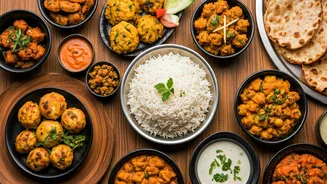
The operational framework of Chandanki's communal dining is elegantly straightforward. The village relies on a sole central kitchen, typically managed by hired culinary professionals, to prepare traditional Gujarati fare daily. The menu eschews extravagance, focusing instead on the comforting, familiar flavors of home-style cooking—dishes such as khichdi, roti, sabzi, and chaas, with occasional festive additions. Residents contribute a modest monthly fee of approximately ₹2,000 per person, ensuring access to two wholesome meals each day. The hired cooks receive a stable monthly salary of around ₹11,000, underpinning the system's financial viability and sustainability. Beyond the sustenance provided, the community hall itself is a remarkable space. It's air-conditioned and powered by solar panels, blending modern amenities with traditional village life. However, its true value lies in the human connections fostered within its walls. As villagers share tables, the hall transforms into a sanctuary for dialogue. Women discuss family matters, elders recount historical anecdotes, and friends reminisce over shared jokes. It's also a space where individuals feel safe to voice concerns about their health, their worries, and their feelings of isolation. In an era where familial structures are often dispersed and solitary dining is increasingly common, Chandanki's communal meals stand as a gentle yet firm statement against social detachment.
Overcoming Doubts
Implementing any significant societal shift inevitably encounters initial apprehension, and Chandanki's communal kitchen initiative was no exception. When the concept of a shared kitchen and dining area was first introduced, skepticism was widespread among the villagers. Concerns ranged from the perceived lack of personal touch to the fear of losing the cherished ritual of home cooking. Some individuals simply resisted the novelty of such a departure from established norms. Nevertheless, through gradual exposure and the clear benefits that began to emerge, the villagers' receptiveness steadily grew. The elderly residents, in particular, discovered a profound relief from the daily burden of cooking, freeing up their time for rest and social engagement. For everyone involved, the dining hall transcended its function as a mere eating venue; it evolved into an indispensable space that nurtured a powerful sense of belonging. While the act of cooking might have migrated from individual kitchens, the essence of home—its warmth and emotional resonance—found a new home within the communal hall. This collective space became a conduit for laughter, shared concerns, mutual frustrations, and small celebrations, all interwoven with the daily meals.
Why Chandanki Matters
Chandanki's initiative is far more than a charming village experiment; it serves as a potent testament to the power of prioritizing human connection over rigid adherence to tradition. By establishing a shared kitchen and dining environment, the village successfully addressed the pervasive issue of loneliness. More significantly, it actively cultivated a renewed sense of collective responsibility and care among its residents. This model demonstrates that meals need not be solitary, silent affairs but can instead be imbued with conversation and become integral to the social fabric of daily life. The ₹2,000 monthly contribution is not merely a payment for food; it represents an investment in social cohesion. Similarly, the central kitchen embodies more than just logistical efficiency; it signifies dignity, providing a supportive framework that allows the elderly to age gracefully without succumbing to solitude. This unique approach underscores the profound impact of community-centered solutions in enhancing overall well-being and fostering a more connected existence.
The Power Of Connection
Robust community ties and meaningful social relationships are undeniably crucial components of human happiness. When individuals feel acknowledged, heard, and supported by those around them, life's challenges become more manageable, and the overall experience of living is significantly enriched. Friendships, familial bonds, and neighborly connections instill a sense of belonging, mitigate anxiety, and make stress feel less overwhelming by allowing burdens to be shared. Extensive research consistently highlights the profound impact of social connection, trust, and community belonging on an individual's overall happiness. Studies indicate that strong social connectedness acts as a significant protective factor against depression and anxiety within the general population. Furthermore, a landmark longitudinal study spanning 80 years has identified strong relationships and a sense of belonging as paramount predictors of sustained happiness and even improved physical health in adulthood. These findings collectively underscore the central role our relationships play in determining our longevity and quality of life. In our increasingly fast-paced and often isolating world, Chandanki offers a gentle yet profound suggestion: perhaps a village that foregoes individual home cooking possesses a wisdom that transcends superficial observation. The true magic may not reside in the culinary process itself, but in the quiet, restorative power of a table shared with neighbors, healing hearts one communal meal at a time.