



Enduring Performance Revealed
Contrary to common skepticism, solar panels possess a far greater lifespan than often assumed. A compelling study originating from the University of Applied
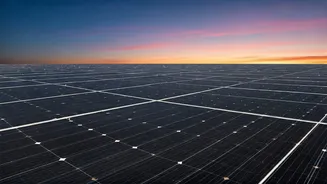
Sciences and Arts of Southern Switzerland has brought to light the astonishing durability of photovoltaic technology. Even solar arrays installed as far back as the 1980s continue to operate at impressive capacities, retaining up to 80% of their initial output. While their efficiency may not match the cutting-edge standards of today, this finding emphatically refutes the notion that solar panels become obsolete after a couple of decades. This longevity enhances the long-term economic viability of solar energy, offering a stronger incentive for its widespread adoption and bolstering efforts to combat climate change.
Real-World Longevity Data
The question of how long solar technology remains effective is a frequent point of discussion, even as its capabilities grow and costs decline. This particular investigation meticulously examined six grid-connected solar installations that were established in Switzerland between the years 1987 and 1993. The results were striking: over more than three decades of uninterrupted operation, the majority of these systems experienced a degradation rate of merely around 0.25% in their original performance each year. This figure stands in stark contrast to the findings of prior accelerated testing methodologies, which had suggested a potential annual performance loss of up to 1%. While individual panel degradation can vary, this real-world data powerfully challenges earlier predictions and underscores the substantial long-term effectiveness of solar panels, including those manufactured many years ago.
Factors Influencing Degradation
The study also uncovered some interesting nuances regarding the aging process of solar panels, noting variations among the different sites under observation. It was observed that panels situated at lower altitudes tended to encounter higher operating temperatures throughout their service life. This increased thermal exposure led to greater stress on the materials, consequently accelerating their aging process compared to panels located at higher altitudes where cooler ambient temperatures prevailed. While these environmental factors can influence the rate of performance decline, the overarching finding emphasizes the resilience of solar technology. It is worth noting that solar panel efficiency has seen dramatic improvements since the 1980s, making upgrades to newer, more powerful models potentially cost-effective, but this research clearly demonstrates that older panels are far from useless and can be repurposed for many decades.