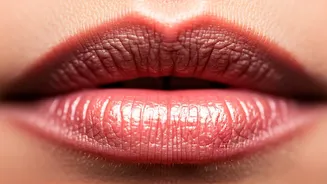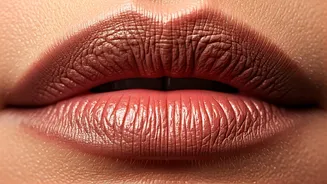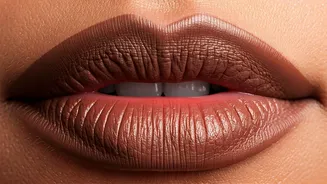






The Myth of Pink Lips
The pervasive notion of naturally pink lips is a beauty ideal often disconnected from reality for many, especially in India. This standard frequently overlooks
the diverse biological factors that determine natural lip coloration. Instead of viewing darker or pigmented lips as a flaw, it's crucial to understand that lip shade is largely a product of genetics, skin tone, and environmental influences, with no inherent medical implication. The emphasis should shift from striving for an unattainable aesthetic to appreciating and understanding one's natural features, recognizing that variations in lip color are a normal biological phenomenon and not a cosmetic issue requiring correction.
Science of Lip Pigmentation
The variation in lip color across different ethnicities is scientifically rooted in two primary factors: melanin and blood circulation. Melanin, the pigment responsible for the color in our skin, hair, and lips, plays a significant role. Individuals with deeper or duskier skin tones naturally possess more melanin, leading to more pronounced pigmentation in their lips. Conversely, those with lighter skin tones have less melanin, making the delicate lip skin more translucent. This translucency allows the underlying red blood vessels to become more visible, creating a pinkish hue. Given that a substantial portion of the Indian population has medium to deep skin tones, darker lips are the genetically inherited norm, a reflection of their natural melanin levels. The inherent thinness of lip skin further accentuates the visibility of even small amounts of melanin, making natural pigmentation more apparent.
Environmental Influences
Beyond genetics, external factors can significantly influence lip coloration, particularly in regions with strong sunlight like India. Prolonged exposure to the sun acts as a powerful trigger for the skin, including the lips, to produce increased amounts of melanin as a protective mechanism against UV radiation. This heightened melanin production can lead to a darkening of the lips over time. While aiming for the healthiest appearance for one's lips is understandable, and practices like staying hydrated, using lip balms with SPF protection, and gentle exfoliation can certainly enhance their look and feel, it's important to distinguish these care routines from attempts to alter fundamental natural coloring. Cosmetic interventions are available for those desiring a change, but the underlying message is to prioritize health and embrace one's natural lip tone.
Embracing Natural Beauty
Ultimately, the pursuit of an unnatural lip color standard, especially one not aligned with one's inherent biology, can be counterproductive and lead to unnecessary self-consciousness. It is far more beneficial to focus on maintaining lip health and hydration, which universally contributes to a more appealing and vibrant appearance, irrespective of the natural pigment. Healthy, well-moisturized lips possess a natural radiance that requires no artificial enhancement. Shifting the focus from chasing an externally imposed ideal to nurturing one's own features promotes a more inclusive and realistic approach to beauty, celebrating the diversity of natural skin tones and lip colors as they are.