







Solo Voyages Take Flight
The landscape of adventure travel is rapidly evolving, with a notable surge in women undertaking solo expeditions. Janice Jones, a 71-year-old from Queensland,
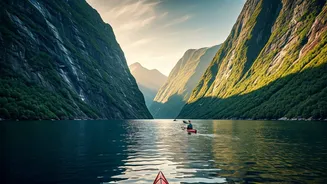
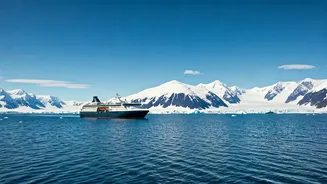
Australia, exemplifies this shift, fulfilling a lifelong dream of visiting Antarctica's Ross Sea independently. While accustomed to solo travel for professional reasons and personal holidays, the prospect of venturing to such an extreme locale alone initially brought a touch of apprehension. However, her experience aboard an expedition vessel quickly dissolved these concerns. She found herself embraced by a vibrant community of like-minded individuals, fostering a sense of camaraderie that eased any feelings of isolation. This journey also allowed for moments of personal reflection, where she could engage in solitary pursuits like watercolor painting, capturing the unique encounters and activities of her expedition, from penguin sightings to sea-kayaking adventures. This narrative highlights how expedition cruises are creating an environment where solo female travelers can feel both independent and connected, fostering a unique travel experience that caters to personal growth and discovery in breathtaking locales.
The Solo Traveler Surge
Solo women now represent a significant demographic among expedition cruise passengers, reflecting a broader shift in travel preferences. Operators are reporting substantial increases in solo bookings; one company, HX Expeditions, noted that nearly 20 percent of its passengers are now solo travelers, a figure that has grown by 74 percent since 2022. On a particular voyage with HX, over a third of the 300 guests were traveling alone. This trend is often attributed to a desire for greater travel autonomy. Many individuals realize they don't need to postpone dream trips due to a lack of a travel companion. Expedition settings, in particular, facilitate easy connections among passengers. 'Bucket list' destinations, such as Antarctica, are proving particularly popular with independent travelers, with HX Expeditions observing that 34 percent of their Antarctic guests are solo. This growing segment allows individuals to explore the world on their own terms, forging new connections and experiencing unparalleled adventures without compromise.
Freedom and Community
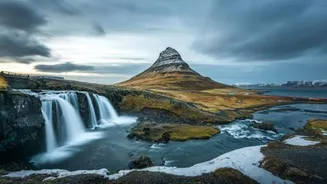
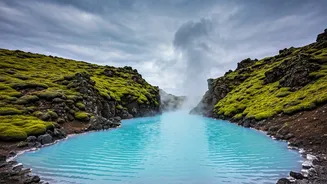
The allure of solo expedition travel for women is deeply rooted in the freedom it offers to explore the world on their own terms, coupled with the inherent community found on these specialized voyages. Companies like Adventure Canada are observing that as many as 25 percent of guests on some voyages travel solo. This isn't necessarily a desire for solitude, but rather an embrace of independence while still being part of a cohesive group. Destinations such as the Northwest Passage, the Faroe Islands, Iceland, and Newfoundland are seeing increased interest from solo bookers. This trend underscores a growing realization that one can embark on significant, far-flung adventures without needing to coordinate with others. The expedition environment naturally fosters interactions, allowing solo travelers to forge meaningful connections with fellow adventurers who share similar interests and a passion for exploration, creating a supportive and engaging travel experience.
Tailored Cruise Offerings
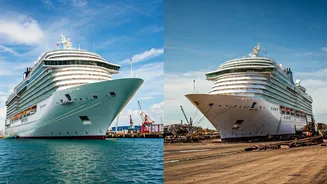
In response to the burgeoning numbers of solo travelers, particularly women, expedition cruise lines are actively adapting their services to enhance the onboard experience and reduce potential barriers. This includes the introduction of dedicated solo cabins, often offered with low or even entirely waived single supplements. Furthermore, companies are focusing on creating opportunities for solo guests to connect, such as organizing specific meet-ups and reserving communal tables in dining areas. Some lines are going even further; for instance, one cruise operator features 'gentlemen hosts' who act as companions for dancing and dining, ensuring solo guests always have an option for social engagement. Cabin-sharing programs, where solo travelers can opt to room with someone of the same gender, are also becoming more common, providing a cost-effective and sociable alternative. These initiatives collectively aim to make expedition cruising more accessible, comfortable, and enjoyable for individuals embarking on their adventures alone.