



Understanding Uphill Knee Woes
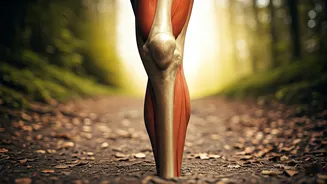
Experiencing discomfort when walking uphill can be a significant deterrent to enjoying outdoor activities. This common issue often stems from various factors,
ranging from simple overuse to more complex underlying conditions. When your knees ache as you ascend, it's your body's way of signaling that something needs attention. The intensity of pain can vary, sometimes becoming unbearable and leading individuals to consider abandoning their favorite trails altogether. While frustrating, these ailments are frequently manageable with the right approach. It's crucial to modify your walking routine to flat surfaces temporarily and prioritize stretching before and after exercise. Persistent or worsening pain, or a feeling of instability in the knee, warrants consultation with a medical professional, such as a doctor or physical therapist, to identify the precise cause and receive tailored guidance.
Common Pain Contributors
Several conditions can contribute to knee pain during uphill treks. Patellar tendinitis, an inflammation of the kneecap tendon, causes pain that intensifies with inclines and can lead to tendon tears if left untreated. Chondromalacia involves the breakdown of cartilage on the kneecap, resulting in painful friction as the knee bends. Arthritis, characterized by cartilage deterioration and reduced joint space, exacerbates pain due to increased pressure. Patellofemoral Pain Syndrome (PFPS), also known as runner's or hiker's knee, arises when excessive force on the kneecap irritates surrounding tissues, often due to muscle imbalances or foot issues. Lastly, Iliotibial (IT) band syndrome, an irritation of the thick band of tissue along the thigh, causes lateral knee pain aggravated by repetitive bending during inclines, leading to inflammation and swelling that can halt activity.
Strengthening for Support
To combat knee pain and enhance stability, targeted strengthening exercises are paramount. Glute bridges are excellent for activating and strengthening the gluteal muscles, which bear a significant portion of the load during movement, thus reducing stress on the knees and supporting core stability. Wall sits, an isometric exercise, effectively build endurance in the quadriceps, the primary muscles supporting the knee joint, preparing them for prolonged exertion on inclines. Banded clamshells are crucial for fortifying the hip abductors and external rotators, muscles that are vital for stabilizing the femur and pelvis, thereby improving overall knee alignment and reducing compensatory strain. Leg extensions, whether using a machine or bodyweight with ankle weights, directly target the quadriceps, enhancing their strength and ability to control knee flexion and extension during activities like uphill walking.
Essential Stretches to Relieve Tension
Incorporating specific stretches into your routine can significantly alleviate knee pain by improving flexibility and reducing muscle tightness. The hamstring stretch, performed by sitting with one leg extended and leaning forward at the waist, effectively lengthens the hamstrings, which, when tight, can pull on the pelvis and affect knee alignment. Calf stretches, achieved by stepping back with one leg against a wall and leaning forward, release tension in the calf muscles, preventing them from contributing to imbalances that affect the lower leg and knee. The IT band stretch, done by crossing one leg over the other and gently pulling the knee towards the opposite shoulder, targets the iliotibial band, reducing friction and pain along the outside of the knee, particularly beneficial after activity or for downhill discomfort.
Management and Prevention Strategies
Proactive management and prevention are key to enjoying uphill walks without knee pain. Gradual progression of activity intensity and duration allows your muscles and joints to adapt, preventing overuse injuries. Proper walking technique, involving shorter steps and core engagement, distributes pressure more evenly. Supportive footwear cushions impact and stabilizes the foot. Trekking poles can offload stress from the knees by distributing body weight across the upper body. Crucially, listening to your body and resting when pain occurs is vital to avoid exacerbating injuries. If pain persists, is severe, or is accompanied by swelling or instability, seeking professional advice from a doctor or physical therapist is essential for accurate diagnosis and a personalized treatment plan that may include rest, ice, physical therapy, or medication.